March Is Self-Harm Awareness Month

Understanding Causes Leading to Self-Harm

As Mental Health Awareness continues through the year, March offers an important moment to pause on one of the most misunderstood topics in psychological well-being: self-harm.

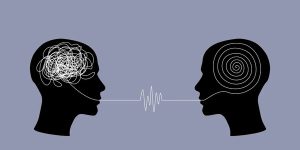
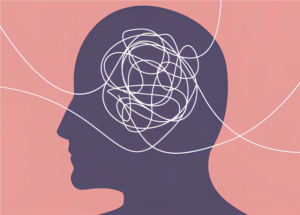
Self-harm is the deliberate, direct destruction of one’s own body (e.g., cutting, burning, hitting) without suicidal intent. For many individuals, emotional pain can reach a threshold where it feels unmanageable or impossible to express. Self-harm becomes a way to externalize that internal experience — to create a physical outlet for something that feels otherwise invisible. In many cases, self-harm occurs over the span of years before it is ever disclosed to another person.

Self-harm does not follow a single profile—commonly affecting adolescents navigating identity and pressure, adults managing chronic stress or trauma, and older individuals carrying unprocessed emotional experience or experiencing PTSD. It appears across gender, background, and age.

Research suggests that approximately 17% of adolescents report engaging in self-harm at some point, but the behavior is also documented across adult populations in significant numbers. Individuals with histories of trauma and those experiencing social isolation carry elevated risk.

Veterans also face a significantly higher likelihood of engaging in self-harm (between 16% and 22% at some point; approximately 8% annually). Key drivers include mental health conditions (PTSD, depression), substance use, chronic pain, isolation, and challenges transitioning to civilian life. The prevalence of self-harm often acts as a high-risk indicator for future suicidal behavior.

The Psychology Behind Self-harm

When stress, trauma, or emotional overload exceeds a person’s capacity to cope, the brain seeks relief through any available channel. For some, self-harm activates the body’s pain response in a way that temporarily interrupts the cycle of emotional distress — providing a brief, biochemical sense of relief or control.

This is not weakness. It is a coping mechanism that developed, often early in life, in the absence of proper coping tools. The behavior persists not because a person wants to suffer, but because it has worked — in the narrowest sense — to provide temporary relief when nothing else felt available.

Shame, secrecy, and the fear of being misunderstood often prevent people from seeking help. And when those who care about them react with panic or judgment, it can deepen the very isolation that made self-harm feel necessary in the first place.

Asking the Challenging Questions

March is a quiet month in many ways — a threshold between the heaviness of winter and the renewal of spring. That in-between quality is what makes it the right time to ask others how they are if anything appears off. Awareness does not require expertise, but rather a willingness to stay present when a conversation becomes uncomfortable.

Asking directly — “I’ve noticed you seem like you’re carrying something heavy lately. Are you okay?” — is not planting an idea. It is opening a door. Research consistently shows that feeling seen and heard is one of the most significant protective factors against self-destructive behavior. Connection, not correction, is often what shifts things.

WHAT IS A SENTINAL EVENT?

The Joint Commission defines sentinel events as occurrences to patients in medical facilities “…involving death or serious physical or psychological injury, or the risk thereof.” As you will note from the pie chart above, patient suicides are a comparatively frequent sentinel event identified by The Joint Commission. The Door SwitchTM was developed to mitigate the most common method of suicide employed in medical facilities—hanging using a door as a ligature point.

Please visit The Joint Commission for more information on sentinel events.

The Door Switch™ wants to continue the fight for more awareness and provide additional resources to dispel the myths about mental health issues and solutions for safety issues. We also continue to strive to provide a product that keeps the hospital environment safe. We continue to be committed to better practices and procedures in the mental health community. For information concerning our safety product, please click here.
If you are in crisis or are experiencing difficult or suicidal thoughts, call the National Suicide Hotline at 1-800-273 TALK (8255).
Sincerely,The Door Switch™

January Is Mental Wellness Month

Reframing Success Through Well-Being, Not Just Resolutions

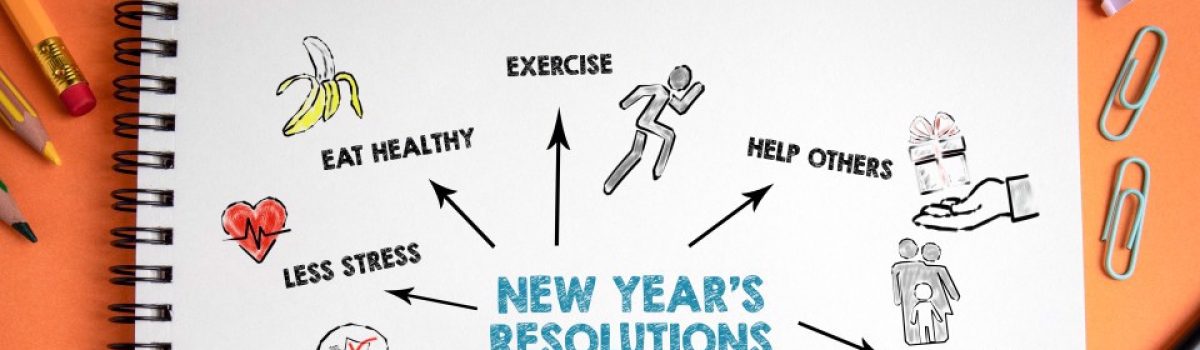
As January nears its end, many are already confronting a familiar dilemma: the New Year’s resolutions they set with initial enthusiasm are trailing behind them. Despite initial enthusiasm, most New Year’s resolutions quickly lose momentum. A Forbes Health/OnePoll survey found that the average resolution lasts just 3.74 months, and only 8% of people maintain their goals for even a single month.

This makes the late-January slump one of the most common setbacks in personal goal setting — so common, the second Friday of January has been dubbed as “Quitter’s Day.”

But what’s often dismissed as lack of willpower or ambition is rooted in deeper psychological processes that influence behavior change and emotional resilience.

Why Resolutions Falter: Beyond Willpower

Common wisdom often attributes resolution failure to surface-level factors—overly ambitious goals, poor planning, or fading motivation. While these play a role, they explain what goes wrong without addressing the deeper psychological  why. Emerging research suggests that the brain’s resistance to change and the emotional context surrounding goal-setting play substantial roles.

Resolutions based on obligation—”I should do this”—tend to be fragile because they provoke internal resistance. Goals that align with personal values and meaningful life priorities, by contrast, have a greater chance of being sustained. But a deeper factor often overlooked is mental wellness. Emotional and cognitive health influences how one copes with setbacks, manages stress, and sustains effort — all essential for any lasting habit change.

The Psychological Component: Mental Health and Habit Formation
Falling off track with New Year’s resolutions is driven by psychological factors such as stress, fatigue, self-criticism, and emotional overload. These challenges reduce cognitive flexibility, disrupt motivation, and weaken the neural pathways underlying habit formation.

That’s why January is recognized as Mental Wellness Month, a dedicated period for focusing on mental health awareness, emotional self-care, and resilience building at a focal point in the year. The start of a new year not only invites fresh goals but also brings unique challenges — from post-holiday stress and financial pressures to shorter daylight hours and social isolation — all of which can impact mood and motivation.

Supporting psychological well-being during this period is critical, as it provides the mental flexibility needed to maintain new habits; without it, even the best-intentioned plans are vulnerable to collapse.

Mental wellness is not just a “bonus” of a healthy lifestyle, but a mechanism that drives and sustains it. Higher well-being allows greater access to executive functions (adaptive cognition) like self-regulation, cognitive flexibility, and problem-solving—all of which are necessary to navigate the friction of building new habits.

A positive emotional state is also crucial in building personal resources—physical, intellectual, social, and psychological—that allow for habit sustenance.

Why Resolutions Falter: Beyond Willpower

Common wisdom often attributes resolution failure to surface-level factors—overly ambitious goals, poor planning, or fading motivation. While these play a role, they explain what goes wrong without addressing the deeper psychological why. Emerging research suggests that the brain’s resistance to change and the emotional context surrounding goal-setting play substantial roles.

Resolutions based on obligation—”I should do this”—tend to be fragile because they provoke internal resistance. Goals that align with personal values and meaningful life priorities, by contrast, have a greater chance of being sustained. But a deeper factor often overlooked is mental wellness. Emotional and cognitive health influences how one copes with setbacks, manages stress, and sustains effort — all essential for any lasting habit change.

The Psychological Component: Mental Health and Habit Formation

Falling off track with New Year’s resolutions is driven by psychological factors such as stress, fatigue, self-criticism, and emotional overload. These challenges reduce cognitive flexibility, disrupt motivation, and weaken the neural pathways underlying habit formation. That’s why January is recognized as Mental Wellness Month, a dedicated period for focusing on mental health awareness, emotional self-care, and resilience building at a focal point in the year. The start of a new year not only invites fresh goals but also brings unique challenges — from post-holiday stress and financial pressures to shorter daylight hours and social isolation — all of which can impact mood and motivation.

Supporting psychological well-being during this period is critical, as it provides the mental flexibility needed to maintain new habits; without it, even the best-intentioned plans are vulnerable to collapse.

Mental wellness is not just a “bonus” of a healthy lifestyle, but a mechanism that drives and sustains it. Higher well-being allows greater access to executive functions (adaptive cognition) like self-regulation, cognitive flexibility, and problem-solving—all of which are necessary to navigate the friction of building new habits.

A positive emotional state is also crucial in building personal resources—physical, intellectual, social, and psychological—that allow for habit sustenance.

Prioritizing Mental Wellness

Foundational health behaviors are necessary in supporting both physical and psychological well-being. While no single habit determines overall health, consistent attention to the basics creates the conditions necessary for resilience, recovery, and long-term functioning. Key pillars include: Balanced Nutrition

  • Sustainable dietary changes provide a stable nutritional foundation, supporting metabolic and cognitive health.

Routine Medical Care

  • Regular visits and preventive screenings identify potential issues early, while timely care for illness or injury promotes faster recovery and reduces long-term complications.

Adequate Sleep Quality

  • Adequate, consistent sleep allows the body and brain to restore, regulate, and perform essential physiological and cognitive functions.

Positive Stress Management

  • Chronic stress exerts cumulative effects on both mental and physical health; implementing practical stress-management strategies preserves emotional regulation and overall well-being.

Stop asking “How are my habits?”
Start asking “How is my mental health?”
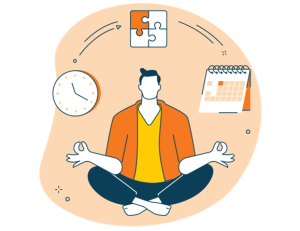
We often treat resolutions like a test of character, assuming that if we fail, we simply didn’t want it enough. But the reality is much less about “grit” and much more about the invisible load we are carrying. When you are burnt out, sleep-deprived, or socially isolated, your brain is in survival mode—not growth mode.

This year, try stopping the cycle of setting a goal, hitting a wall, and blaming your willpower. Instead, look at your foundation. Are you eating to fuel your brain? Are you giving yourself permission to rest?

When we prioritize mental wellness, we aren’t just “feeling better”—we are finally building the capacity to actually show up for the changes we want to make.

Learn More About Mental Wellness Month

WHAT IS A SENTINAL EVENT?

The Joint Commission defines sentinel events as occurrences to patients in medical facilities “…involving death or serious physical or psychological injury, or the risk thereof.” As you will note from the pie chart above, patient suicides are a comparatively frequent sentinel event identified by The Joint Commission. The Door SwitchTM was developed to mitigate the most common method of suicide employed in medical facilities—hanging using a door as a ligature point.

Please visit The Joint Commission for more information on sentinel events.

The Door Switch™ wants to continue the fight for more awareness and provide additional resources to dispel the myths about mental health issues and solutions for safety issues. We also continue to strive to provide a product that keeps the hospital environment safe. We continue to be committed to better practices and procedures in the mental health community. For information concerning our safety product, please click here.
If you are in crisis or are experiencing difficult or suicidal thoughts, call the National Suicide Hotline at 1-800-273 TALK (8255).
Sincerely,The Door Switch™

Seasonal Depression During the Holidays

Watch Our Video on Awareness, Prevention, and Coping Approaches

Seasonal Affective Disorder (SAD) is a mood condition influenced by a combination of biological, environmental, and social factors that tend to intensify during late fall and winter – pronounced during the holiday season

Although the holidays are often portrayed as a joyful time, this contrast can make feelings of low mood or disconnection more pronounced for some individuals.

Recognizing seasonal patterns and understanding that these experiences are common and treatable can help individuals seek appropriate support and adopt strategies to manage symptoms more effectively during the holiday period.

WHAT IS A SENTINAL EVENT?

The Joint Commission defines sentinel events as occurrences to patients in medical facilities “…involving death or serious physical or psychological injury, or the risk thereof.” As you will note from the pie chart above, patient suicides are a comparatively frequent sentinel event identified by The Joint Commission. The Door SwitchTM was developed to mitigate the most common method of suicide employed in medical facilities—hanging using a door as a ligature point.

Please visit The Joint Commission for more information on sentinel events.

The Door Switch™ wants to continue the fight for more awareness and provide additional resources to dispel the myths about mental health issues and solutions for safety issues. We also continue to strive to provide a product that keeps the hospital environment safe. We continue to be committed to better practices and procedures in the mental health community. For information concerning our safety product, please click here.

If you are in crisis or are experiencing difficult or suicidal thoughts, call the National Suicide Hotline at 1-800-273 TALK (8255).
Sincerely,

The Door Switch™

Recognizing Veterans Day

Honoring Service and Sacrifice While Supporting Veterans’ Mental Health

Since its first observance in 1919 as Armistice Day, Veterans Day has been celebrated annually on November 11 to commemorate the formal end of World War I. The armistice that ended the conflict took effect at the 11th hour of the 11th day of the 11th month in 1918.

Today, the mission of Veterans Day has evolved to encompass the mental health needs of veterans. Commemorating the day is not only about reflection but also about action—honoring their sacrifices involves addressing the ongoing mental health struggles many veterans face.

Understanding Veterans’ Mental Health

Post-Traumatic Stress Disorder (PTSD) is one of the most prevalent and debilitating mental health conditions affecting veterans, with about 7 out of every 100 veterans (or 7%) reporting PTSD at some point in their lives.

Prolonged exposure to combat, assault, or life-threatening situations can leave lasting psychological scars that persist long after active service has ended. Studies show that the rate of PTSD among veterans is up to 15 times higher than that of civilians.

Common PTSD symptoms include flashbacks, nightmares, hypervigilance, emotional numbness, and difficulty maintaining relationships. Everyday occurrences—such as fireworks, loud noises, or crowded environments—can trigger painful memories of combat, leading to distress or panic.

PTSD is closely linked to an increased risk of suicide among veterans. On average, approximately 17.6 veterans die by suicide each day in the United States.

The combination of trauma, isolation, stigma, and limited access to mental health care can lead to feelings of hopelessness.

Traumatic Brain Injury (TBI) is often referred to as the “signature wound” of post-9/11 wars, primarily caused by exposure to blasts from improvised explosive devices (IEDs), collisions, or falls. These injuries can disrupt brain function, leading to cognitive, emotional, and physical impairments.

Unlike visible wounds, TBI symptoms—such as headaches, dizziness, irritability, and memory loss—often do not appear immediately, making diagnosis and treatment more complex.

Continued advancements in neurological care, rehabilitation technology, and wearable health monitoring are helping veterans manage these invisible wounds more effectively.

To learn more about veterans’ mental health this Veterans Day, click below to explore VA resources that address the unique stressors and experiences many veterans face.

VA Resources for Veterans

The Door Switch™ wants to continue the fight for more awareness and provide additional resources to dispel the myths about mental health issues and solutions for safety issues. We also continue to strive to provide a product that keeps the hospital environment safe. We continue to be committed to better practices and procedures in the mental health community. For information concerning our safety product, please click here.
If you are in crisis or are experiencing difficult or suicidal thoughts, call the National Suicide Hotline at 1-800-273 TALK (8255).
Sincerely,The Door Switch™
October is Substance Abuse Prevention Month

(Substance Abuse by the Numbers)

October marks Substance Abuse Prevention Month — dedicated to raising awareness about responsible drug use and the dangers of misuse. Drug abuse remains a serious issue that affects millions. Substance Use Disorder (SUD) — a medical condition involving compulsive substance use despite harmful consequences — often begins with experimentation and can escalate into dependency. Adolescents, individuals with mental health conditions, veterans, and those with a family history of addiction are especially vulnerable.

Education, early intervention, and community support are central to prevention. Organizations like SAMHSA (Substance Abuse and Mental Health Services Administration) are leading efforts to prevent overdoses and to support recovery by offering resources in combating addiction.

This year, the 2025 SAMHSA Substance Use Prevention Month Toolkit offers communities and organizations new ways to raise awareness and inspire action. The toolkit includes ready-to-use resources — from social media graphics and fact sheets to conversation guides — all designed to help spread education, reduce stigma, and support prevention efforts nationwide.

The Door Switch encourages everyone to explore the toolkit and take advantage of these free materials to make a difference!

2025 SAMHSA Toolkit

The Door Switch™ wants to continue the fight for more awareness and provide additional resources to dispel the myths about mental health issues and solutions for safety issues. We also continue to strive to provide a product that keeps the hospital environment safe. We continue to be committed to better practices and procedures in the mental health community. For information concerning our safety product, please click here.
If you are in crisis or are experiencing difficult or suicidal thoughts, call the National Suicide Hotline at 1-800-273 TALK (8255).
Sincerely,The Door Switch™

September is Suicide Prevention Awareness Month

September is Suicide Prevention Awareness Month, a time to raise awareness and promote hope. Suicide affects millions of people every year, but too many struggle in silence. Your voice matters, whether you’re facing your own challenges, supporting a loved one, or simply looking to help.

This month is dedicated to recognizing the warning signs of suicide, encouraging open conversations about mental health, and connecting people to proven treatments and resources. By standing together with strength, dignity, hope, and purpose, we can make a real difference and help save lives.

For more information and resources, check out the official SAMHSA 2025 Suicide Prevention Awareness Month Toolkit below.

SAMHSA 2025 Suicide Prevention Awareness Month Toolkit

The Door Switch™ wants to continue the fight for more awareness and provide additional resources to dispel the myths about mental health issues and solutions for safety issues. We also continue to strive to provide a product that keeps the hospital environment safe. We continue to be committed to better practices and procedures in the mental health community. For information concerning our safety product, please click here.
If you are in crisis or are experiencing difficult or suicidal thoughts, call the National Suicide Hotline at 1-800-273 TALK (8255).
Sincerely,The Door Switch™

A Resource in Times of Crisis

How 988 Is Transforming Mental Health Support in the U.S.

Introduced in 2022, the 988 Suicide and Crisis Lifeline is the official mental health and suicide crisis line of the U.S. government. The three-digit number connects users, via phone, text, or chat, to a network of over 200 local and state-funded crisis call centers, providing access to the 988 Suicide & Crisis Lifeline for crisis counseling, resources, and referrals.

The Lifeline was launched as a result of the National Suicide Hotline Designation Act of 2020. This act designated 988 as the universal telephone number for the national suicide prevention and mental health crisis hotline system, encompassing both the National Suicide Prevention Lifeline and the Veterans Crisis Line.

Since its introduction, usage of the line has been notable. From July 2022 to December 2024, 988 received over 16 million contacts, primarily through calls, texts, and chats. Nationally, the lifetime incidence rate of 988 contact was 48.9 per 1000 population, with varying rates observed regionally and across states.

Regional differences showed increased participation in the West compared to the South, possibly influenced by socio-political factors. This difference may stem from differing levels of stigma surrounding seeking mental health support in Southern states.

Rising Suicide Rates: How 988 is Helping

Suicide rates have risen due to several overlapping factors. Economic and social stressors have adverse effects on anxiety and depression. Social isolation—worsened by less face-to-face interaction and more digital communication—is increasingly affecting the younger Gen Z population who rely on virtual forms of communication regularly.

Since launching in July 2022, the 988 Lifeline has handled over 10.8 million calls, texts, and chats. Monthly contact volume continues to rise, reaching over 500,000 in May 2024—an 80% increase since May 2022. Despite growing demand, national answer rates have improved and wait times have shortened, although some of these gains slipped in 2023. To support growing demand, ten states have implemented telecom fees to fund local crisis centers more sustainably.

Ongoing developments include georouting improvements, expanded mobile crisis services, new stabilization facilities, better tech infrastructure, and specialized support for high-risk populations. While national 988 data remain limited, some states have launched public dashboards to better track progress and inform suicide prevention efforts. 

From Awareness to Impact

The 988 Suicide & Crisis Lifeline has significantly impacted mental health support in the US, increasing access to crisis care and improving outcomes for callers. Since its launch in July 2022, 988 has seen a substantial rise in call volume, with trained counselors connecting callers to immediate support and local resources. Studies indicate that callers feel less suicidal, depressed, and overwhelmed after interacting with a 988 counselor.

Everyone has a role to play in making 988 more effective. You can help by sharing what 988 is  and how it works—with friends, family, coworkers, and on social media. Rising suicide rates are a public health emergency. Raising awareness about 988 isn’t just helpful—it can save lives. 

June is PTSD Awareness Month

Raising Advocacy to Improve Recognition and Treatment

As PTSD Awareness Month, the month of June recognizes the symptoms of Post-Traumatic Stress Disorder. Officially designated by the US Senate in 2014, this month was established to raise awareness about Post-Traumatic Stress Disorder (PTSD) and to promote treatment for Trauma-Related Disorders. Additionally, June 27 is recognized as National PTSD Awareness Day, a day to honor those living with PTSD and to encourage support.
|
Affecting over 13 million American adults (5%) and over one million veterans (7%), Post-Traumatic Stress Disorder is a widespread mental disorder that shares symptoms with numerous mental disorders, such as:
  • Major Depressive Disorder (MDD)
Shared symptoms: persistent sadness, loss of interest or pleasure, feelings of numbness or hopelessness, sleep disturbances, and difficulty concentrating.
  • Generalized Anxiety Disorder (GAD)
Shared symptoms: excessive worry, restlessness, irritability, difficulty sleeping, and physical symptoms like muscle tension.
  • Panic Disorder

Shared symptoms: panic attacks, intense fear or discomfort, palpitations, shortness of breath, and avoidance behavior.

  • Dissociative Identity Disorder (DID)
Shared symptoms: depersonalization, derealization, memory gaps, and dissociative episodes.
|

Causes & Symptoms of PTSD

PTSD arises from experiencing or witnessing a traumatic event or a series of intense, distressing events. The trauma is recalled through intrusive memories, flashbacks, or nightmares, triggering the symptoms.
|
Most common causes include:
  • Combat exposure – pronounced among military personnel and veterans
  • Sexual assault or abuse – in both childhood and adulthood
  • Physical assault or domestic violence 
  • Traumatic accidents – such as car crashes or industrial injuries
  • Childhood neglect or abuse  
PTSD symptoms stem from the brain’s reaction to intense and overwhelming experiences, particularly those involving perceived threats to life or safety. During trauma, the brain’s stress response system—especially regions like the amygdala, hippocampus, and prefrontal cortex—becomes dysregulated.
|
This can lead to persistent changes in how the brain processes fear, memory, and emotional regulation, resulting in symptoms such as hypervigilance, intrusive memories, emotional numbness, and avoidance behaviors. These neurological shifts are the basis for the ongoing psychological distress seen in PTSD.
|
Symptoms include: re-experiencing the trauma, avoidance, negative changes in thoughts and mood, and arousal and reactivity. Examples of response symptoms include: Experiencing night terrors related to trauma, avoiding previously enjoyable activities due to stressors, or overstimulation from sudden sounds (e.g., slamming doors) are common daily hurdles faced by individuals with PTSD.
|

Raising Awareness around PTSD and Advocating for Veterans’ Mental Health

Post-Traumatic Stress Disorder remains a public health concern, particularly among veterans, where its impact is felt through barriers to care and stigma around the mental health of veterans.

Given its strong association with suicide, substance use, and long-term functional impairment, sustained efforts to raise PTSD awareness and improve access to treatment are necessary to ensure not only veterans, but all individuals suffering from the condition, can thrive.

Click here to learn more about how you can advocate for PTSD awareness!

May is Mental Health Awareness Month

Recognizing the Importance of Mental Health and Wellness


The month of May marks Mental Health Awareness Month, which began in the United States in 1949 by Mental Health America. Since its inception over 75 years ago, awareness around the importance of mental wellness has spread globally through discoveries in the fields of healthcare and psychology. Despite the increased recognition and reduced stigma around mental health and wellness, a study by UBC Faculty of Medicine and Harvard Medical School found that only 7 percent of individuals receive effective treatment for mental health or substance-use disorders. The study uncovered the largest barrier to effective treatment: the individual not recognizing they need treatment. The study also found that even patients who contact the healthcare system regularly do not receive effective treatment.

Raising Awareness in 2025

Changing the lack of mental health recognition extends beyond simply acknowledging May as Mental Health Awareness Month.

In April 2025, students at the University of South Carolina’s Mental Illness Needs Discussion (MIND) club, in partnership with Active Minds, spearheaded a new Ice Bucket Challenge for raising funds for mental health initiatives. The challenge, known as #SpeakYourMIND, has gained significant traction across social media, with participants nominating others to join the challenge similar to the 2014 ALS Ice Bucket Challenge.

Other Ways to Raise Awareness around Mental Health and Wellness

Mental health deserves our attention, not just an afterthought. Here are some straightforward ways you can help raise awareness and stay informed:

  • Attend Events
    • Keep an eye out for local events, webinars, or seminars focused on mental health. These gatherings frequently feature experts who offer information and personal stories.
  • Connect Through Support Groups
    • Engaging with people who have firsthand experience with mental health challenges—either in person or online—can provide the perspectives of others.
  • Lend a Hand
    • Many mental health organizations welcome volunteers for events, fundraising, or outreach. Getting involved in a hands-on way is a positive way to contribute to your community.

Mental Health Awareness Month is a reminder of the importance of open conversations about mental illness, mental wellness, and the ongoing fight against stigma. Raising awareness and getting involved are both steps in the right direction towards making positive change in the dialogue around mental health.

Effective Stress Management

Tips for Reducing Stress this April

Stress encompasses any physiological and psychological response to mental or emotional strain or tension resulting from adverse or demanding circumstances. Stress is a universal condition, a constant state of mind experienced not only by humans but also by other animals. Stress is ingrained in all individuals, however, most people do not actively recognize the source of stress through mindfulness, while finding methods (e.g. meditation) to minimize or cope with it.
Since 1992, April has been observed as Stress Awareness Month to raise public awareness about the primary causes and stress-reduction measures. This month, advocates raising awareness around stress prioritize:
  • Education about the causes and effects of stress.
  • Promoting effective stress management techniques to aid mental health.
  • Encouraging open dialogue to reduce the stigma surrounding stress and mental health issues.
  • Providing resources and support to help individuals manage stress effectively.

Recognizing and Reducing Stress

Exercises in mindfulness help individuals remain cognizant of ongoing stressors. Walking in nature, engaging in self-reflection and meditation, and socializing with others are key ways to simultaneously recognize and combat stress.
Practicing Self-care
Engaging in daily habits such as 30 minutes of exercise, or just 10 minutes of meditation can improve well-being significantly. A 2019 study found that an hour spent in nature can decrease cortisol (stress hormone) levels by up to 20%.
–––
Prioritizing Sleep Hygiene
Getting sufficient sleep aids in managing stress through cortisol regulation. Achieving 7-9 hours of sleep has been proven to significantly reduce stress and improve mental clarity. Establishing a consistent sleep schedule is equally important, as doing so regulates the circadian rhythm, signaling the body’s time to wind down.
Partaking in Social Activities
Social support and healthy activities reduce stress significantly. It is important to asses social activities that can exacerbate stress, such as large crowds (if easily triggered by social anxiety), or events involving drinking that worsen symptoms and trigger depressive episodes. Healthier social activities include making time to connect with friends and family, or joining a support group or group therapy session.
Limiting Screen Time
Spending excessive amounts of time on social media and devices can spike stress levels, especially if the content being consumed is inherently stress-inducing. Observing and limiting screen time, while spending more time engaging in offline activities, can divert the mind away from an information overload.

Advocating for Stress Awareness Month   

Stress Awareness Month is a globally recognized annual event aimed at educating the public on stress’s causes, effects, and effective management techniques. 2025’s theme #LeadWithLove encourages participants to approach stress with compassion rather than stigma, advocating for mental well-being. Learn more about the many ways to advocate for stress awareness – not just in April – but throughout the year.

CONTACT DETAILS

CALL US
(877)-998-5625
OFFICE
11772 WESTLINE INDUSTRIAL DRIVE
ST. LOUIS, MO 63146
EMAIL US
INFO@THEDOORSWITCH.COM

SIGN-UP FOR OUR NEWSLETTER!