
Staying Aware of Mental Illness

Leading Causes, & Ways to Combat the Mental Health Epidemic

Mental Illness On The Rise

The prevalence of mental and emotional distress among individuals in the United States is on the rise. In 2023, a staggering 21% of US adults, totaling approximately 50 million people, experienced at least one mental illness, with 55% of them not receiving any treatment. The most common mental disorders affecting US adults include anxiety disorders, depressive disorders, obsessive-compulsive and related disorders, sleep-wake disorders, and substance-related disorders.

Various factors contribute to the worsening state of mental health. Social media use and feelings of isolation or loneliness are among the leading factors. However, other causes such as family history and experiences with other health conditions also play significant roles. Adverse childhood experiences, alcohol or drug use, biological and genetic factors, brain-based chemical imbalances, identity issues, traumatic experiences, and significant life changes like parenthood or unemployment are all contributing factors.


Impact of Social Media Use

Around 72% of Americans use social media, which has both positive and negative effects on mental health. Research indicates that excessive social media use, particularly among younger demographics, is associated with anxiety, depression, negative body image, and psychological distress. Conversely, reducing social media consumption has been shown to alleviate feelings of loneliness and depression, particularly among college students.


Lingering Effects of COVID-19

The COVID-19 pandemic has exacerbated mental health concerns globally, with anxiety and depression rates increasing by 25% during the first year of the pandemic. In the US, one in five adults reported a significant negative impact on their mental health due to the pandemic, with social isolation being a major contributing factor.


Isolation and Loneliness

Isolation often leads to loneliness, which can exacerbate mental health issues such as depression and anxiety. Trends such as decreased community involvement and marriage rates, along with societal changes exacerbated by the pandemic, have contributed to increased loneliness, particularly among older adults. Surprisingly, young adults, particularly those aged 16 to 24, have also been identified as a highly lonely demographic, partly due to their engagement with social media.


Lack of Access to Care

Despite the increasing demand for psychiatric care, many individuals struggle to access treatment. Over half of those with mental health conditions do not receive treatment, and approximately 11% of adults and youth with mental illness lack insurance coverage. Moreover, over 25 million rural Americans reside in areas with a shortage of mental health professionals, further limiting access to care even for those with insurance coverage.


Coming to a Solution

The escalating prevalence of mental and emotional distress among individuals in the United States is a pressing concern. Millions experience mental illness, while failing to receive adequate treatment.

Efforts to promote mental well-being should focus on raising awareness, reducing stigma, and providing resources for early intervention and support. Additionally, policies must be enacted to improve access to affordable and comprehensive mental health care, particularly in under-served communities and rural areas.

By prioritizing mental health and implementing evidence-based strategies, we can work towards creating a society where individuals receive the support and care they need to thrive mentally and emotionally. It is only through concerted action and collective commitment that we can effectively address the growing mental health crisis and build a healthier, more resilient future for all.

—————–

The Door SwitchTM wants to continue the fight for more awareness and provide additional resources to dispel the myths about mental health issues and solutions for safety issues. We also continue to strive to provide a product that keeps the hospital environment safe. We continue to be committed to better practices and procedures in the mental health community. For information concerning our safety product, please click here.
If you are in crisis or are experiencing difficult or suicidal thoughts, call the National Suicide Hotline at 1-800-273 TALK (8255).

Sincerely,

The Door SwitchTM
Designing Better Behavioral Health Facilities

Striking the “Golden Mean”

In philosophy there is a term called the “golden mean,” described by the great philosophers as an approach to ethics that emphasizes finding the appropriate medium, or middle ground, between extremes.  It’s the desirable ‘midpoint’ between two extremes, one of excess and the other of deficiency.

This principle can be applied when designing and retrofitting behavioral health facilities as well.

This “midpoint” can serve as a blueprint for designing better behavioral health facilities. There is a challenge behind striking the balance between a safe—but sterile, versus comfortable—yet high-risk space.

Facilities designed purely for comfort often feature dangerous objects that increase the likelihood of a suicidal event involving a psychiatric patient.

Minimalist facilities lacking little to distinguish them from a prison cell are not the answer either—as they feel isolating and confining, further exasperating the conditions of psychiatric patients.

When designing in-patient units, the goal should always be to maximize mental wellness in addition to deterring suicides.


Designing Safer Facilities

In recent years, various authorities, including The Joint Commission, The Federal Department of Veterans Affairs (VA), and the Facility Guidelines Institute, have formulated recommendations and mandates aimed at reducing the risk of suicide within the physical infrastructure of behavioral health facilities. The Joint Commission consistently updates its guidelines to ensure compliance with existing standards.

Hospital administrations are now enforcing measures to mitigate the risk of suicide. Multiple ligature-resistant features such as hinges, handles, and locks on doors connecting patient rooms and hallways are being installed in new and existing facilities.

Additionally, measures such as replacing closet doors with shelves, installing solid ceilings in patient rooms and bathrooms instead of drop ceilings, using breathable paper trash-can liners, and substituting towel racks with hooks capable of supporting only a bath towel are being taken to enhance safety.


Positive Change On The Horizon

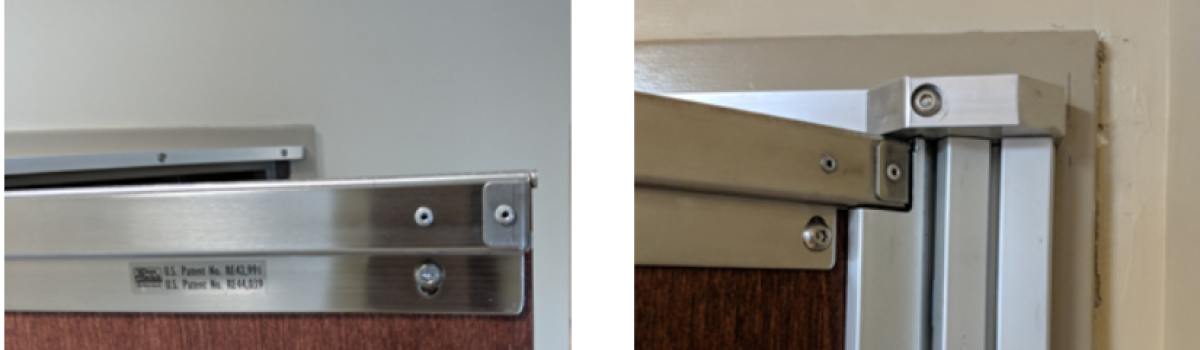
With the continual evolution of hospital safety and facility design, devices such as over-the-door sensors and top-of-the-door alarms make all the difference in the event of a hanging suicide attempt.

The concealed design of these alarm systems affords patients the enhanced dignity and respect they deserve.

The time is now to strike the golden mean by humanizing— not dehumanizing—our behavioral health facilities.

The Door SwitchTM wants to continue the fight for more awareness and provide additional resources to dispel the myths about mental health issues and solutions for safety issues. We also continue to strive to provide a product that keeps the hospital environment safe. We continue to be committed to better practices and procedures in the mental health community. For information concerning our safety product, please click here.
If you are in crisis or are experiencing difficult or suicidal thoughts, call the National Suicide Hotline at 1-800-273 TALK (8255).

Sincerely,

The Door SwitchTM

YOUTH SUICIDES ARE RISING, EXPERTS NOT SURE WHY

A recent USA Today article published in September 2020 examines why we’ve seen an upward trend of youth suicidal rate for the past 10 years and why we don’t have more answers as to why.

There are theories on drivers, the rise of social media among them, but researchers say there are not enough data to draw conclusions. Suicide rates are not increasing in every country that has seen a rise in social media use.

Experts say it’s because of the uncertainty in the world the past 10 years.

Many children are struggling to imagine their futures.

One expert states:

“I don’t think we can underestimate the role of the economic recession of 2008 on youth suicide rates,” Singer said. “During the recession they saw their parents lose homes and jobs; they had to move schools. They lost friends. My concern is that we will see an increase in youth suicide several years down the line following the economic devastation of the COVID-19 pandemic.”

A CDC survey in August 2020 on how the COVID-19 pandemic is affecting Americans’ mental health found 75% of respondents 18-24 reported at least one adverse mental or behavioral health symptom. Twenty-five percent of respondents in this age group seriously considered suicide in the 30 days before completing the survey.

The statistics only tell part of the story:

Between 2000 and 2007, the suicide rate among youth ages 10 to 24 was around 6.8 deaths per 100,000 people. By 2017 the rate had curved upward to 10.6 deaths per 100,000, a 56-percent increase in less than two decades.

Not only is this rise scary, but so is the lack of data and answers as to why? So much has changed in this world, and how it is impacting our young people is a necessary study experts realize. They also wonder:

1.) How well do we understand what behavior in youth signals suicidal risk?
2.) Is the mental health community well-positioned to help?

Most health professional know the overall statistic of adults: Suicide is the 10th most common cause of death among all ages (2017). But, it’s the second leading cause of death among young people in the US age 15-24. This is according to a new data from the CDC.

Two things we do know:
1.) More research is needed to find the causes of this rising trend.
2.) Young people need better access to mental health care.
To read the full article in USA Today, click here.

The Door SwitchTM wants to continue the fight for more awareness and provide additional resources to dispel the myths about mental health issues and solutions for safety issues. We also continue to strive to provide a product that keeps the hospital environment safe. We continue to be committed to better practices and procedures in the mental health community. For information concerning our safety product, please click here.

Sincerely,

The Door SwitchTM

Mental Health Awareness in the New Year

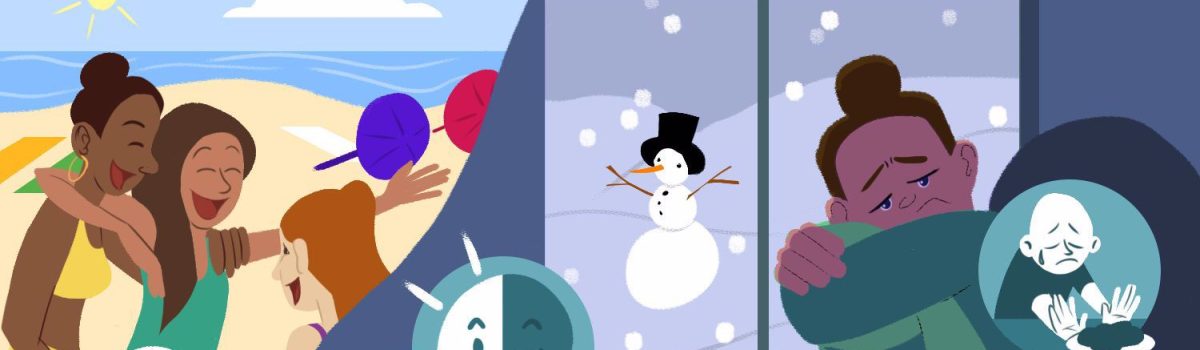
Seasonal Affective Disorder (SAD), is a form of depression, occurring during specific seasons—primarily fall and winter—as shorter days are believed to trigger chemical changes in the brain. More prevalent in adults and increasing with age, SAD is rare in those under the age of 20, affecting women more frequently than men.

What Causes SAD?

The reduced sunlight and shorter days are thought to induce a chemical shift in the brain—linked to the sleep-related hormone melatonin. The body produces more melatonin in darkness, which increases during shorter and darker days.

Symptoms of SAD

SAD presents in two forms: Fall-onset (winter depression) and Spring-onset (summer depression). Common symptoms include increased sleep, social withdrawal, irritability, fatigue, and changes in appetite. Symptoms tend to recur seasonally.

Diagnosis and Risk Factors

SAD is typically diagnosed through a thorough mental health examination and medical history conducted by a mental health professional. The risk increases with age, and early diagnosis is crucial, especially given the potential coexistence of other conditions like heart disease or cancer.

Treatment Options

Treatment varies for winter and summer depression and may involve exposure to sunlight, light therapy, psychotherapy, and antidepressants. Self-help strategies include setting realistic goals, socializing, engaging in enjoyable activities, regular exercise, and maintaining a healthy diet. Avoiding alcohol and drugs, delaying major decisions, and seeking support from friends and family are essential.

Key Points about SAD

  • SAD is a type of seasonal depression linked to reduced sunlight and shorter days.
  • The exact cause remains unclear, with chemical changes in the brain and melatonin potentially playing a role.
  • Diagnosis involves a comprehensive mental health examination.
  • Treatment commonly includes light therapy, psychotherapy, and sometimes antidepressants.
The Door SwitchTM wants to continue the fight for more awareness and provide additional resources to dispel the myths about mental health issues and solutions for safety issues. We also continue to strive to provide a product that keeps the hospital environment safe. We continue to be committed to better practices and procedures in the mental health community. For information concerning our safety product, please click here.

If you are in crisis or are experiencing difficult or suicidal thoughts, call the National Suicide Hotline at 1-800-273 TALK (8255).

Sincerely,

The Door SwitchTM

2023 Year-in-Review For Veterans’ Mental Health

The transition from military service to civilian life can be a challenging journey for many veterans. Veterans face stressors and experiences that can have a profound impact on their mental health. While the majority of veterans successfully navigate this transition, a concerning number face mental health struggles that, in some cases, lead to tragic outcomes like suicide.

Military service often involves exposure to high-stress environments, combat situations, and prolonged periods of separation from family and friends. These experiences can contribute to the development of post-traumatic stress disorder (PTSD), depression, anxiety, and substance abuse disorders. The toll of military service is not only physical but also deeply emotional and psychological.

PTSD is a particularly prevalent and debilitating condition among veterans, with symptoms ranging from intrusive memories and nightmares to hyper-arousal and emotional numbing. The stigma associated with mental health issues can prevent veterans from seeking help, compounding the challenges they face.

Returning to civilian life presents its own set of difficulties. Veterans may struggle with finding employment, establishing a new routine, and reintegrating into their communities. Feelings of isolation, purposelessness, and a lack of understanding from those who haven’t shared similar experiences can exacerbate mental health issues.

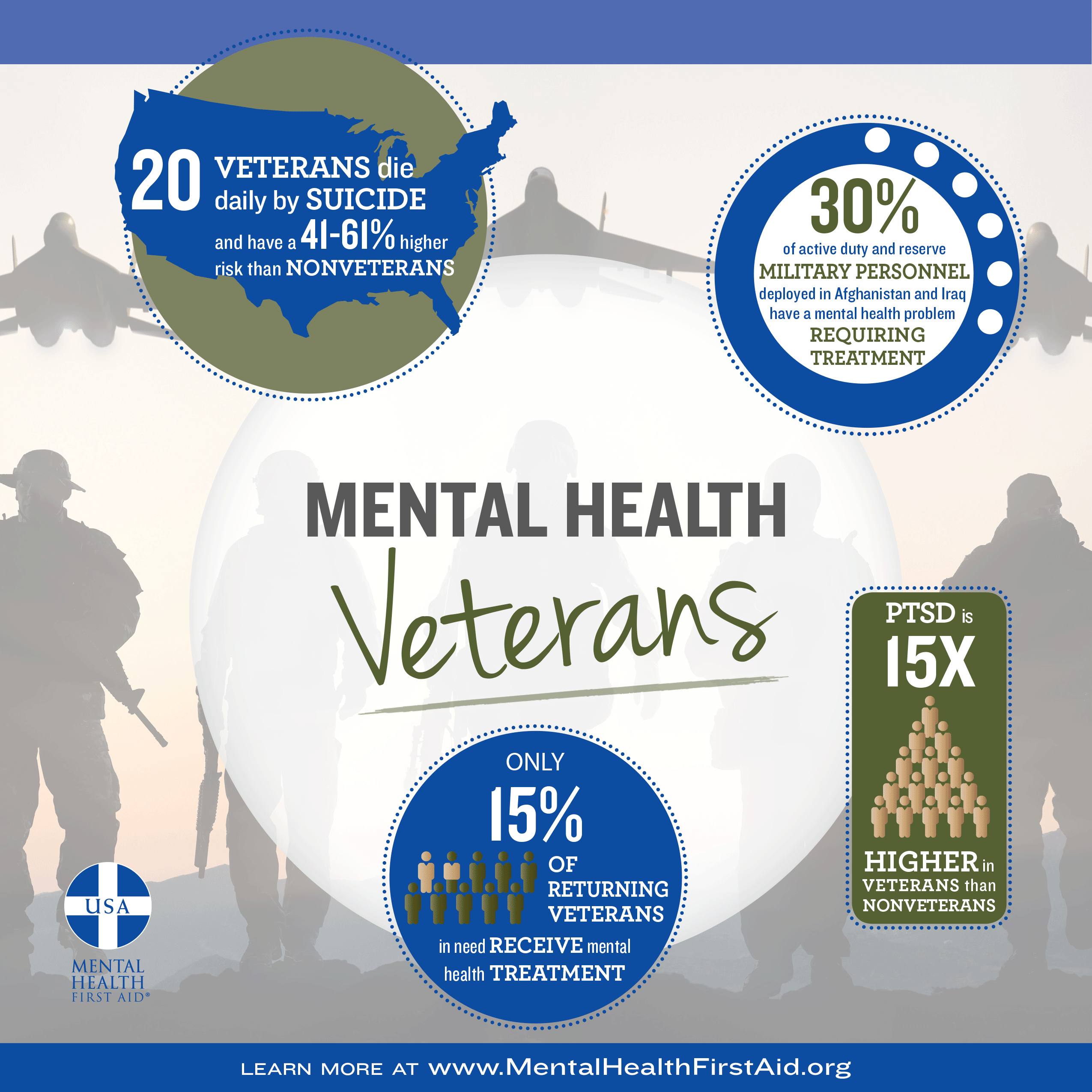
Suicide rates among veterans are disproportionately high compared to the general population. According to data from the U.S. Department of Veterans Affairs, approximately 17 veterans die by suicide every day. This statistic shows the urgent need for effective mental health support and suicide prevention strategies made for the needs of veterans.


Suicide Prevention Strategies for Veterans

1. Promoting Mental Health Awareness

Breaking down the stigma surrounding mental health is crucial. Initiatives that encourage open conversations about mental health within the military community can help reduce barriers to seeking help.

2. Increased Access to Mental Health Services

Efforts should be made to improve access to mental health services for veterans. This includes reducing wait times, expanding telehealth options, and ensuring that mental health care is integrated into overall healthcare for veterans.

3. Firearm Safety and Education

Given the association between access to firearms and suicide risk, providing education on responsible firearm storage and use is essential. This can be coupled with discussions on risk factors and warning signs.

4. Community Integration Programs

Creating programs that facilitate the integration of veterans into civilian communities can help combat the feelings of isolation that some veterans experience. This includes mentorship programs, job placement assistance, and community events that foster connections.

5. Peer Support and Counseling

Peer support programs, where veterans can connect with others who have had similar experiences, can be highly effective. Additionally, providing access to mental health counseling that is culturally competent and understands the unique challenges faced by veterans is crucial.

The mental health and well-being of our veterans are matters of national importance. As a society, we owe it to those who have served to ensure they receive the support they need to navigate the challenges of military service and the transition to civilian life. By prioritizing mental health awareness, improving access to care, and implementing targeted suicide prevention strategies, we can work towards a future where every veteran receives the support necessary to lead a fulfilling and resilient life.

The Door SwitchTM wants to continue the fight for more awareness and provide additional resources to dispel the myths about mental health issues and solutions for safety issues. We also continue to strive to provide a product that keeps the hospital environment safe. We continue to be committed to better practices and procedures in the mental health community. For information concerning our safety product, please click here.

If you are in crisis or are experiencing difficult or suicidal thoughts, call the National Suicide Hotline at 1-800-273 TALK (8255).

Sincerely,

The Door SwitchTM

A Closer Look | Helping Veterans Manage Holiday Stress

They come every year whether we’re ready or not… the holidays. The holiday season is marketed as “the most wonderful time of the year,” but it can also be one of the most stressful times of the year. Purchasing gifts, preparing special recipes, decorating inside and out, and attending large family or social gatherings can be expensive, exhausting, hectic and overwhelming.

While many environmental and life factors can increase stress, this time of year can highlight mental health concerns, like depression and anxiety, as it can be a time of self-reflection, loneliness and sadness. Specifically for Veterans, the holidays can enhance difficulties adjusting to civilian life, exacerbate posttraumatic stress disorder symptoms, put a focus on certain dates or anniversaries, and induce guilt.

Veterans are at risk for suicide and are more likely to die from suicide than their civilian counterparts. The suicide rate among veterans is 1.5 times higher than that of the general population. With young men ages 18 to 34 at the highest risk. The suicide rate in this group increased by 95.3% between 2001 and 2020.

However overwhelming this season can be, there are ways to focus on your mental health and keep your stress levels in check over the next few weeks.

Here are some of the symptoms of depression:

  • Fatigue
  • Irritability
  • Difficulty sleeping
  • Headaches
  • Excessive drinking
  • Overeating

Here are some of the symptoms of anxiety:

  • Feeling restless, wound up, or on edge
  • Being easily fatigued
  • Having difficulty concentrating
  • Being irritable
  • Having headaches, muscle aches, stomachaches or unexplained pains
  • Difficulty controlling feelings of worry
  • Difficulty falling or staying asleep

People cope with stressful situations in different ways and can often work through them. If you feel like you might be heading toward a crisis, VA or community-based services could help.

Holidays are a time for family and cheerfulness, but it can also be a serious trigger for our veterans.  As we honored our Veterans this month, let’s also honor and think of them during what can be a tough season for those in pain.  Recognizing the warning signs and triggers is the first step to staying healthy this holiday season.  Stay in tune with what your mind and body needs this holiday season.

The Door SwitchTM keeps up to date with our equipment and provides the latest, most sophisticated system for the top of doors, the area that poses a significant and potential risks to patients.
In addition to being a manufacturer, we want to continue the fight for more awareness and provide additional resources to dispel the myths about mental health issues and solutions for safety issues. We also continue to strive to provide a product that keeps the hospital environment safe. We continue to be committed to better practices and procedures in the mental health community. For information concerning our safety product, please click here.

If you are in crisis or are experiencing difficult or suicidal thoughts, call the National Suicide Hotline at 1-800-273 TALK (8255).

Sincerely,

The Door SwitchTM

A Closer Look | Are Your Mental Health Patient’s Doors Safe?

Over the last decade behavioral health facilities have seen a significant uptick in the rate of sentinel events. Specifically, the increased frequency of patient self-harm while receiving inpatient care has become a serious concern for all health care professionals and caused The Joint Commission to make preventing such occurrences a priority for all accredited hospitals.

Many of the most common avenues for fatal sentinel events revolve around the patient’s room or bathroom doors. Allowing patients privacy and dignity is an important part of facilitating effective treatment, but there is inherent risk in allowing patients a seclude room or bathroom. Patients often use “pinch points” or “anchor points” on and around a door to assist in self-harm. In fact, the average patient room provides at least five ligature points around the frame and door.

To successfully prevent door related sentinel events a facility must incorporate both anti-ligature hardware and door alarm system. Maximizing patient security requires you first mitigate the opportunities for self-harm and secondly that you have a system in place that will alert staff to a sentinel event in real time.

Effective prevention of sentinel events requires leadership teams and engineers to regularly do full assessments of their existing infrastructure. Even if the facility has been outfitted previously with safety devices intended to prevent self-harm, reviews are necessary as better solutions are continually being developed and many old safety devices have been found to pose unintended risk.

For instance, some older anti-ligature coat hooks do indeed eliminate ligature points but in the process these devices provided a mechanism for puncture wound self-harm. As patients seeking to self-harm become more sophisticate and familiar with safety devices, they develop new ways to subvert the devices intended purposes.

The Door SwitchTM keeps up to date with our equipment and provides the latest, most sophisticated system for the top of doors, the area that poses a significant and potential risks to patients.
In addition to being a manufacturer, we want to continue the fight for more awareness and provide additional resources to dispel the myths about mental health issues and solutions for safety issues. We also continue to strive to provide a product that keeps the hospital environment safe. We continue to be committed to better practices and procedures in the mental health community. For information concerning our safety product, please click here.

If you are in crisis or are experiencing difficult or suicidal thoughts, call the National Suicide Hotline at 1-800-273 TALK (8255).

Sincerely,

The Door SwitchTM

NATIONAL Suicide Prevention & Awareness Week | Help Spread the Word

SEPTEMBER 10-16TH IS NATIONAL SUICIDE PREVENTION WEEK

September 10-16 is National Suicide Prevention and Awareness Week. This week is a time to renew our focus on learning about suicide prevention, and ensure we are taking care of ourselves AND others. Our hope is to encourage conversations and spread awareness in an effort to prevent suicide.

National Suicide Prevention week and National Suicide Prevention month both happen during the month of September, however it’s important we offer support throughout the year. To help save a life, it’s vital to raise awareness of this leading cause of death and to help one another see how they can help support this cause in their communities.

Often times, those suffering are right next to us, going about their daily lives, and unbeknownst to us, not sharing their daily struggles. This year The American Foundation for Suicide Prevention (AFSP) is highlighting a new Talk  Away the Dark campaign to help shed the light. It’s important to know that we can ALL make a difference by learning the warning signs, knowing risk factors and being willing to have honest conversations with those we care about. Having those conversations might be the difference between life and death.

In 2021, 48,183 people died by suicide in the United States.

Talking is the first step to prevent suicide.  Speak your truth.

Suicide is a topic that hides in the shadows. All too often it goes unaddressed, even when we may sense someone is struggling.

You can make a difference by learning the warning signs,  knowing the risk factors, and bravely having a REAL open and honest conversation with someone you care about.

Something to look out for when concerned that a person may be suicidal is a change in behavior or the presence of entirely new behaviors. This is of sharpest concern if the new or changed behavior is related to a painful event, loss, or change. Most people who take their lives exhibit one or more warning signs, either through what they say or what they do.

To read more of the resources and creative ways to be part of the “Talk Away The Dark” campaign this year, please visit this fantastic and resourceful website, here.

The Door SwitchTM wants to continue the fight for more awareness and provide additional resources to dispel the myths about mental health issues and solutions for safety issues. We also continue to strive to provide a product that keeps the hospital environment safe. We continue to be committed to better practices and procedures in the mental health community. For information concerning our safety product, please click here.

If you are in crisis or are experiencing difficult or suicidal thoughts, call the National Suicide Hotline at 1-800-273 TALK (8255).

Sincerely,

The Door SwitchTM

2023 TREND REPORT: Youth Mental Health Still In Crisis | National Emergency Declared | Here is What You Need to Know

YOUTH MENTAL HEALTH CRISIS STILL MAJOR CONCERN

NATIONAL EMERGENCY DECLARED; BED & THERAPISTS SHORTAGES A MAJOR CONCERN FOR YOUTH 

In October 2021 a national emergency in child mental health was declared. Since then the crisis has only gotten worse.

A 2021 survey of 88 children’s hospitals reported that they admit, on average, four teens per day to inpatient programs. At many of these hospitals, more children await help, but there are simply not enough services or psychiatric beds for them.

So these children have to wait, sometimes for days or even a week, in hospital emergency departments. This is not a good place for a young person coping with grave mental health issues and perhaps considering suicide. Waiting at home is not a good option either – the family is often unable or unwilling to deal with a child who is distraught or violent.

When teens and young adults go to the emergency room or are hospitalized for critical mental health issues a staggering number are not receiving quick follow-up care, new U.S. research finds.

Researchers at the University of Massachusetts looked at more than 100,000 ER visits of young people ages 12 to 27 who have private insurance. Only about 29% received follow-up care within seven days after their crisis. Less than half — just 46% — received follow-up care within that first month.

Similarly, in 95,000 youths and young adults whose cases were so severe they were hospitalized, less than 43% had after care within seven days and 67% within 30 days.

That left many young people without professional help while still vulnerable, including to risk of suicide.

Over the years, young patients have become more aggressive and suicidal. They are sicker when compared to years past. From 2007 through 2021, suicide rates among young people ages 10 to 24 increased by 62%. From 2014 to 2021, homicide rates rose by 60%. The situation is so grim that in October 2021, health care professionals declared a national emergency in child mental health.

In addition to these dire stats, we have a drastic shortage of child and adolescent psychiatrists across the United States, according to the American Academy of Child and Adolescent Psychiatry.

There is also a significant shortage of child therapists – social workers, psychologists, licensed professional counselors – as well.

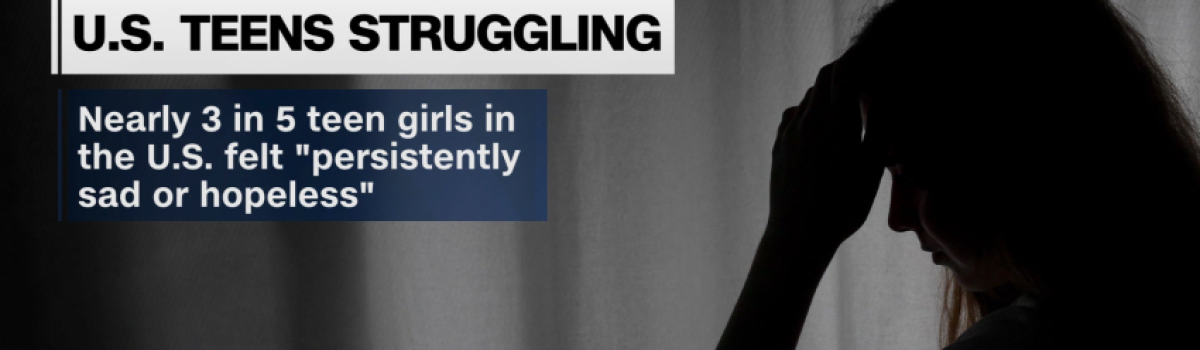
A study of high school students in 2021 found more than 44% had felt persistent sadness or hopelessness in the past year.  About 1 in 5 seriously considered suicide, and 1 in 10 attempted suicide.

Reducing barriers to access could help, as would increased communication between providers and having more case management at hospitals to get appointments scheduled at the time of discharge.


So What Is the Problem? 

Issues experienced by this age group in terms of access to mental health care include insurance changes as they transition from high school to college or the workforce.

In addition, “we see a transition from pediatric providers to adult providers, and there are many youth that are lost in this transition.”

Some of the hurdles can include school, financial challenges, fewer supports in place for adults than for children and delays in psychosocial development in terms of how they interact with peers, how they get appointments, how they interact with their insurers and even how they get to pharmacies to pick up their medication.


How Do We Fix It? 

According to the APA,

“The idea of a ‘mental health crisis’ is really broad. For providers and parents, the term can be anxiety-provoking,” said Melissa Brymer, PhD, who directs terrorism and disaster programs at the UCLA–Duke University National Center for Child Traumatic Stress. “Part of our role is to highlight specific areas that are critical in this discussion.”

Across the field, psychologists are doing just that. In addition to studying the biological, social, and structural contributors to the current situation, they are developing and disseminating solutions to families, in schools, and at the state level. They’re exploring ways to improve clinical training and capacity and working to restructure policies to support the most vulnerable children and teens.

Psychologists were also behind new mental health recommendations from the U.S. Preventive Services Task Force, a group of volunteer health professionals who evaluate evidence on various preventive health services. The task force now recommends regular anxiety screenings for youth ages 8 to 18 and regular depression screenings for adolescents ages 12 to 18.

“I see these trends in children’s mental health problems as being critical, but there are solutions,” Hoagwood said. “If we refocus our efforts toward those solutions, we could see some of these tides turn.”

To read more of the news referenced in this article, click here.

The Door SwitchTM wants to continue the fight for more awareness and provide additional resources to dispel the myths about mental health issues and solutions for safety issues. We also continue to strive to provide a product that keeps the hospital environment safe. We continue to be committed to better practices and procedures in the mental health community. For information concerning our safety product, please click here.

If you are in crisis or are experiencing difficult or suicidal thoughts, call the National Suicide Hotline at 1-800-273 TALK (8255).

Sincerely,

The Door SwitchTM

Suicide Rates On the Rise for 2023 | Here is How We Can Help!

RECENT CDC REPORT:  SUICIDE RATES RISE ESPECIALLY FOR YOUNG ADULTS – HIGHEST RATES IN DECADES 

Suicide rates have climbed again following a two-year decline, U.S. health officials report.

The new study from the U.S. Centers for Disease Control and Prevention also described a shift in demographics of those dying by suicide in 2021.

While rates among white Americans have been higher for decades than those among Black and Hispanic Americans, rates are now rising in minority populations. The report also noted that suicides are happening more often in younger minorities, compared to older white adults.

In 2021, suicide and homicide rates for children and young adults ages 10 to 24 in the US were the highest they’ve been in decades, according to a recent report by the US Centers for Disease Control and Prevention.

Suicide and homicide were the second and third leading causes of death for this age group, both causing about 11 deaths for every 100,000 people ages 10 to 24. The homicide rate for this age group in 2021 was the highest it’s been since 1997, and the suicide rate was the highest on record, since 1968.

Suicide rates surpassed homicide rates for this age group in 2010 and have continued rising for the past decade. But a large spike in homicide rates during the first year of the Covid-19 pandemic brought the rates for both types of violent death together for the first time in a decade.

Earlier research has found that there has been a steady increase in the number of children who are seen in emergency rooms for suicidal thoughts, even before the Covid-19 pandemic, and nearly half don’t get the follow-up care they need.

“That’s what we’re unpacking at this point, is cumulative stress,” Joe said. “People couldn’t bury people the way they needed to bury them. They couldn’t grieve in the same way. You couldn’t gather in the same way, to cope with these losses. So, there’s a lot of unattended-to grief as well.

”The suicide rate among Black people increased by 19.2% between 2018 and 2021, from 7.3 to 8.7 per 100,000, and it climbed most quickly among Black people ages 10 to 24, at 36.6%.

That suicides are occurring at progressively younger ages in nonwhite people is troubling, Joe said.“We tend to lose older generations of whites when it comes to suicide,” he said. “But among people of color, it’s always the young, not out of the fourth, third or even approaching the fifth decade of life.”Suicide rates rose 5% overall in people ages 25 to 44, and by even more among Black, Hispanic, multiracial and Alaska Native people.

For white people, the suicide rate actually dropped, from 18.1 to 17.4 per 100,000, a decline of 3.9%. White people still comprised the most suicides by sheer numbers, with 36,681 deaths reported, representing three-quarters of the total.

Suicide rates did decrease among older Americans ages 45 to 65, dropping 12.4% overall with drops among white, Hispanic and Asian people in that age group. In 2021, there were a total of 48,183 suicides in the United States, close to the peak of 48,344 in 2018. Financial stress, social isolation, substance use, barriers to health care and access to lethal means like firearms are among the factors that can lead to suicide, researcher Deborah Stone, lead behavioral scientist at CDC, told the  Times.

The “remarkable weakening of our mental health response system,” has made it extraordinarily challenging to get care for children and adolescents in crisis, chief science officer of the American Psychological Association, Mitch Prinstein, told the  Times. “It’s just become completely untenable,” he said. “We shouldn’t be surprised that some kids are experiencing a worsening of their symptoms to the point where suicide is more common.”

So what can we do? We can advocate for more mental health resources and funding, open a dialogue about this increasingly alarming behavior and trend, increased screening, greater awareness of risk and cultural factors, and finding help through counselors and therapists, not just in the emergency room.   We need to be talking about this rise of suicidal behavior and why/ what we can do about it.  Read this article on the alarming trend and what we can do to help bring down suicide rates.  It’s more than just mental health care.  Click here to read.

The Door SwitchTM wants to continue the fight for more awareness and provide additional resources to dispel the myths about mental health issues and solutions for safety issues. We also continue to strive to provide a product that keeps the hospital environment safe. We continue to be committed to better practices and procedures in the mental health community. For information concerning our safety product, please click here.

If you are in crisis or are experiencing difficult or suicidal thoughts, call the National Suicide Hotline at 1-800-273 TALK (8255).

Sincerely,

The Door SwitchTM

CONTACT DETAILS

CALL US
(877)-998-5625
OFFICE
11772 WESTLINE INDUSTRIAL DRIVE
ST. LOUIS, MO 63146
EMAIL US
INFO@THEDOORSWITCH.COM

SIGN-UP FOR OUR NEWSLETTER!