
Five Ways We Can Support Veterans’ Mental Health! | Thank You for Your Service!

Many of us get these two days confused – Memorial Day and Veterans Day.
The former – Memorial Day – is a time to remember those who gave their lives for our country, particularly in battle or from wounds they suffered in battle.
Veterans Day honors all of those who have served the country in war or peace — dead or alive — although it’s largely intended to thank living veterans for their sacrifices.
Veterans Day is a day to remember and reflect on the sacrifices of our military veterans and also to thank them for their service. It’s a celebration that honors America’s veterans for their patriotism and willingness to offer their lives for the common good.
Here are five ways we can all help support Veterans’ mental health.
1.) Understand Suicide
On average, 17 veterans a day die by suicide. In 2017, nearly one in every seven suicides nationally was a veteran—13.5% annually—compared with Census data that shows veterans make up about 8% of the U.S. adult population. According to the U.S. Department of Veteran Affairs, up to 20% of military personnel who served in Iraq or Afghanistan experience PTSD each year.
Reach out to veterans you know and local veterans organizations. If a veteran feels connected to a community, has friends and people to turn to when they need help, they are less likely to die by suicide.
2.) Understand PTSD

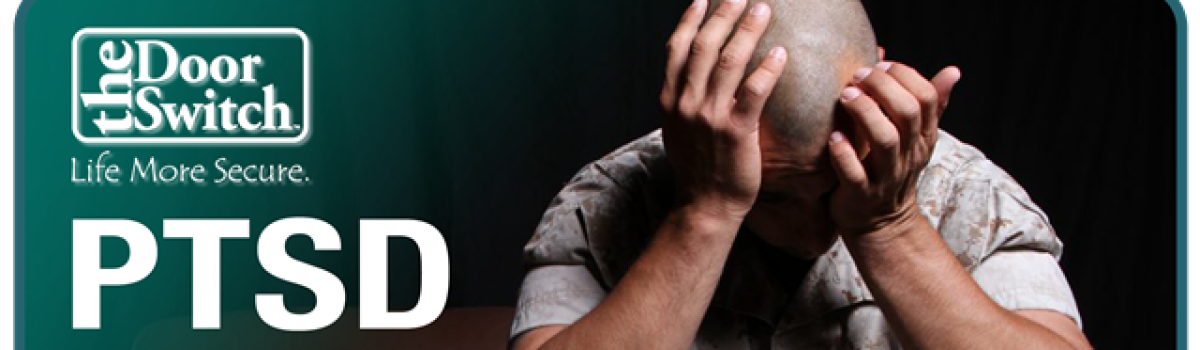
Traumatic events, such as military combat, assault and disasters can have long-lasting negative effects. Although PTSD is not unique to the military, it is important to note that in a JAMA Psychiatry study it was found that the rate of PTSD is up to 15 times higher among veterans than among civilians.

Everyday events can be triggers. If you work or have knowledge of events where fireworks may be set off to celebrate an event, notify local veterans groups, the loud noise could trigger symptoms of PTSD in veterans. PTSD is a risk factor for suicide.

3.) Understand Traumatic Brain Injury (TBI)
Known as a “signature wound” of the post 9/11 wars, due to blasts from explosive devices. The high rate of TBI and blast-related concussion events resulting from current combat operations directly impacts the health and safety of individual service members.
A TBI may not be noticeable at first, don’t assume that all wounds are visible.  Volunteer to work with someone with TBI.
4.) Understand Depression
Depression is one of the most common mental health conditions. Veterans struggling with depression can lead to suicide or substance abuse.
You can help someone with depression by helping them accomplish tasks that are difficult from day to day.
5.) Understand Anxiety
Feeling anxious is a normal reaction to stress.  Some Veterans develop anxiety following severe trauma or a life-threatening event. For others, stressful life events such as transitioning from military to civilian life can cause anxiety disorders. It can be hard for some Veterans and Service members to “turn off” some of the strategies and behaviors that were necessary for military situations.
Understanding and supporting the mental health needs of our veterans is a great way to reach out and thank them for their service. Find a tangible way to get involved not just on veteran’s day but every day.
For more information on how to help and support our veterans, click here.

If you are in crisis or are experiencing difficult or suicidal thoughts, call the National Suicide Hotline at 1-800-273 TALK (8255).

The Door SwitchTM wants to continue the fight for more awareness and provide additional resources to dispel the myths about mental health issues and solutions for safety issues. We also continue to strive to provide a product that keeps the hospital environment safe. We continue to be committed to better practices and procedures in the mental health community. For information concerning our safety product, please click here.

Sincerely,

The Door SwitchTM
Know the Signs! | It’s All Too Common | October Is Depression Awareness Month!

October is national depression and mental health screening month.  This year in particular, we take a closer look at depression and its relation to the global pandemic.
Depression is a highly treatable condition with many different options available.

A number of different factors can often come into play with depression that can include a mix of environmental, genetic, psychological, and biological /biochemical components.

Not everyone experiences depression in the same way, but it can affect anyone at any time. Noticeable symptoms may include feelings of: hopelessness, guilt, pessimism, worthlessness and more.

Over the past two years, depression has been on the rise.
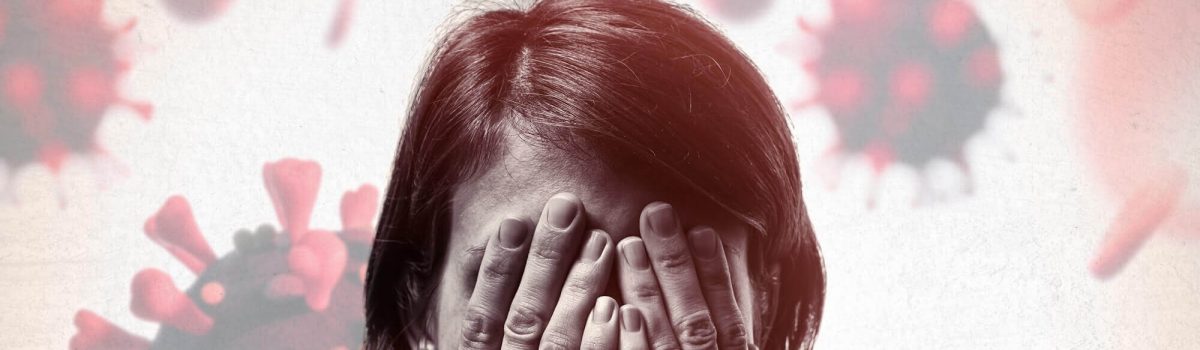
In fact, in the US, depression rates have more than tripled during the pandemic. The isolation and lack of social interactions has had a severe toll on the public’s overall mental health.
• Researchers polled participants at the beginning of the COVID-19 pandemic and again a year later to assess depression symptoms.
• After 1 year into the pandemic, nearly one-third of participants expressed having symptoms of depression.
• The study found that people with certain factors, such as having a lower income, experienced a higher rate of depression symptoms.
It is well documented that the coronavirus pandemic has taken a serious toll on emotional well-being. Rates of depression and anxiety in June were three to four times higher than at the corresponding point in 2019, according to the CDC.
What can we do?
Know the signs of depression. Get help.  Know that it is very common to feel depressed.  You are not alone.
Reach out to support family and friends as much as possible, while also paying attention to self-care.

If you are in crisis or are experiencing difficult or suicidal thoughts, call the National Suicide Hotline at 1-800-273 TALK (8255).

The Door SwitchTM wants to continue the fight for more awareness and provide additional resources to dispel the myths about mental health issues and solutions for safety issues. We also continue to strive to provide a product that keeps the hospital environment safe. We continue to be committed to better practices and procedures in the mental health community. For information concerning our safety product, please click here.

Sincerely,

The Door SwitchTM
September Is Suicide Awareness Month!

Suicidal thoughts, much like mental health conditions, can affect anyone regardless of age, gender or background. In fact, suicide is often the result of an untreated mental health condition. Suicidal thoughts, although common, should not be considered normal and often indicate more serious issues.

September is Suicide Prevention Awareness Month — a time to raise awareness on this stigmatized, and often taboo, topic. In addition to shifting public perception, we use this month to spread hope and vital information to people affected by suicide. Our goal is ensuring that individuals, friends and families have access to the resources they need to discuss suicide prevention and to seek help.

Throughout the month of September, NAMI (National Alliance on Mental Health) will highlight “Together for Mental Health,” which encourages people to bring their voices together to advocate for better mental health care, including a crisis response system. NAMI wants any person experiencing suicidal thoughts or behaviors to have a number to call, a system to turn to, that would connect them to the treatment and support they need.

If you are in crisis or are experiencing difficult or suicidal thoughts, call the National Suicide Hotline at 1-800-273 TALK (8255).

One of the main purposes of Suicide Prevention Awareness Month is to bring awareness to the very prevalent issue of suicide.  Knowledge is power.  Here is a list of warning signs and risk factors of suicide.  Click here for full list!

The Door SwitchTM wants to continue the fight for more awareness and provide additional resources to dispel the myths about mental health issues and solutions for safety issues. We also continue to strive to provide a product that keeps the hospital environment safe. We continue to be committed to better practices and procedures in the mental health community. For information concerning our safety product, please click here.

Sincerely,

The Door SwitchTM

Olympic’s Great Speaks Up About Mental Health & Suicide

We are all enjoying the TOKYO Olympic games.  It’s exciting, competitive, and a nice break from everyday routines.  One silver lining we want to point out is this year’s emphasis on mental health.
We are always looking for ways to bring to light mental health issues.  Our goal is to assist hospitals in their physical built environments with the best products on the market for inpatient health units.  But another way we can help is create awareness and help shed light on the “big picture” of mental health stigmas.  It helps when someone we all admire speaks up for a particular stigmatized issue.  A few days ago,  Michael Phelps, revealed how he too has struggled with depression, suicidal thoughts and mental illness.
Olympians are known for pushing their bodies to the extreme but much less understood are the mental and emotional rigors paving their road to greatness. Michael Phelps, the most decorated Olympian in history, says he had suicidal thoughts even at the peak of his remarkable swimming career and calls depression and suicide among Olympic athletes an “epidemic.”
Associated Press (AP) reports: “For decades, they were told to shake it off or toughen up — to set aside the doubt, or the demons, and focus on the task at hand: winning. Dominating. Getting it done.”
Michael Phelps tells AP:
“For me to know there are a lot of people out there in the world who are struggling the same exact way I do still struggle and have struggled — I’m a human being. But I was so used to compartmentalizing everything.”

“Being an athlete you’re supposed to be this strong person who doesn’t have weaknesses, doesn’t have any problems. No, that’s wrong. I struggle through problems just like everybody else does. I wanted to open up and just talk about it. It is what makes me who I am.”

Other athletes have had the same problems and have been scared to speak up about their own mental health struggles.

Athletes Stephen Scherer, Jeret Peterson and Kelly Catlin have two things in common: They all reached their dream of becoming Olympians, and they all died by suicide.

In a statement to the Associated Press, the IOC (International Olympic Committee) said it “recognizes the seriousness of the topic” and assembled a team of international experts to review scientific literature on mental health issues among elite athletes in 2018, resulting in a mental health working group. The committee said the topic has been discussed more openly at forums and panels in recent years and that the IOC has launched a series of webinars to help athletes cope with COVID-19, and plans other initiatives, including a helpline.

“It does define you, and you lose your human identity,” said Jeremy Bloom, a three-time world champion skier and two-time Olympian. “That’s where it becomes dangerous. Because at some point, we all lose sports. We all move on. We all retire or the sport kind of shows us the door because we age out. And then we’re left to redefine ourselves.”

For more information on Michael Phelp’s and his story, click here.

The Door SwitchTM wants to continue the fight for more awareness and provide additional resources to dispel the myths about mental health issues and solutions for safety issues. We also continue to strive to provide a product that keeps the hospital environment safe. We continue to be committed to better practices and procedures in the mental health community. For information concerning our safety product, please click here.

Sincerely,

The Door SwitchTM

June 27th Is National PTSD Awareness Day!

On June 27, we talk about PTSD, a complex disorder caused by experiencing or witnessing trauma. The trauma necessary to cause PTSD can originate from many events — potentially an accident, combat, a natural disaster, or an assault — but there are other ways PTSD symptoms can arise.
A trained professional must diagnose PTSD, based on symptoms like hypervigilance, mood swings, recurring and involuntary flashbacks to the trauma, and avoidance.
The National Center for PTSD declared all of June to be PTSD Awareness month — you can help their campaign by educating yourself and others about the illness, and sharing help with those who might need it.
What do we know about PTSD?
PTSD is widespread.
While 3.5% of adult Americans struggling with PTSD may seem like a small percentage, that’s actually 8 million people.It affects women more than men.
10% of women and only 4% of men are likely to develop PTSD, which makes it over twice as likely for women to develop the illness.

PTSD is widespread in veterans. 
Of those who served in the Vietnam War, an estimated 30% have had PTSD in their lifetimes. 12% of Gulf War Veterans have PTSD, and between 11-20% of veterans of the Operations Iraqi Freedom and Enduring Freedom have PTSD.

Because an overwhelming percentage of those with PTSD are affiliated with the military, there are many organizations set up to provide aid to veterans with PTSD. Some include Military with PTSD, Wounded Warrior Project, and Military OneSource.One of the main purposes of PTSD Awareness Month is to spread the word on the disease to others. They recommend a variety of outreach ideas, from providing a sample blog post to suggesting asking a governor or local official to declare June as PTSD Awareness Month.

For more information on this day and how to help or donate, click here.

The Door SwitchTM wants to continue the fight for more awareness and provide additional resources to dispel the myths about mental health issues and solutions for safety issues. We also continue to strive to provide a product that keeps the hospital environment safe. We continue to be committed to better practices and procedures in the mental health community. For information concerning our safety product, please click here.

Sincerely,

The Door SwitchTM

May Is Mental Health Awareness Month!

Since 1949, Mental Health America and our affiliates across the country have observed May is Mental Health Month by reaching out to millions of people through the media, local events, and screenings.

This is a month when people all across the mental health community join together to help spread awareness around mental illness to let people know that they are not alone.

The stigma that surrounds mental illness and mental health makes it difficult for some people to seek treatment and get the help that they need and deserve. The stigma can cause some people to feel shame about the symptoms and struggles that they are facing. They may be embarrassed to seek help for fear that others will find out, and they may feel alone in their struggles like they’re the only ones going through a similar situation.

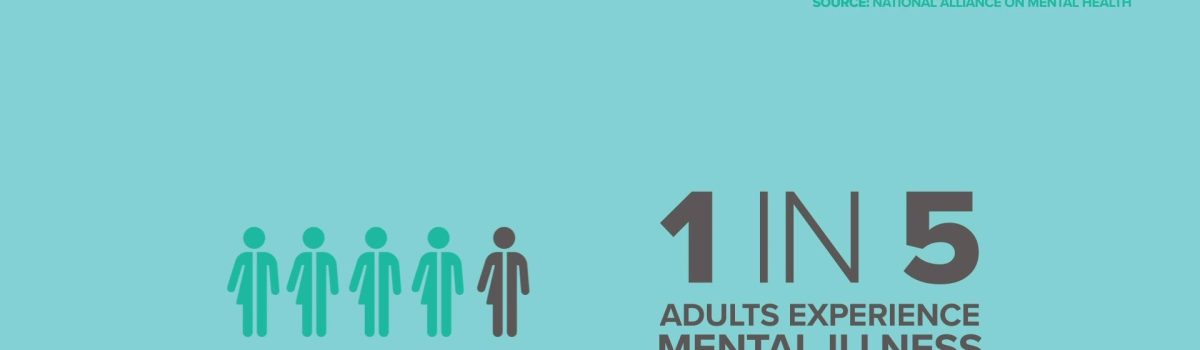
According to the National Institute of Mental Health, there are 1 in 5 adults in America living with a mental illness, and yet, the stigma still exists, causing people to feel like they may be the only ones. This is the reason that Mental Health Awareness Month is so important.

Here are some ways that you can participate, along with a mental health community:

1.) Share your story.
2.) Educate Yourself On Mental Health And Wellness.
This could include learning how to practice good self-care habits to protect your own mental wellness. Or, this could include learning about specific mental illnesses that you may have wrong beliefs about.
3.) Talk to a therapist.
Some people mistakenly believe that therapists are only able to help people with mental illnesses such as schizophrenia or obsessive-compulsive disorder. Because of stories that they hear on TV or in the media, they may struggle to see that many mental health challenges impact people daily. This includes things like anxiety and depression or troubled relationships.
4.) Focus on your self-care.
Self-care habits include things such as getting the proper amount of sleep, making healthy food choices, getting regular physical activity into your schedule, and participating in activities that you enjoy and that help recharge you. If you’re feeling burnt out and exhausted in life, then adding self-care habits to your day may be able to help improve this.
5.) Support those around you.
When you are familiar with some of the symptoms of common mental health challenges, it can help you to identify people that may be struggling in your life. This doesn’t mean that you’re responsible or able to fix anyone, and you shouldn’t be trying to fix them. Instead, if you recognize that they may be struggling, it allows you to see how you can support them.
6.) Address Any Stigmas That You Have.

You may be falling for the mental health stigmas that exist without even realizing it. If you want to address mental health awareness, it’s important to also look at yourself to see if you can identify any areas where you are contributing to the stigma that exists.This can include things like believing people with mental illness are more dangerous than others or feeling like they may not be as capable in the workplace. It can also be supporting media such as TV shows that use stigmatizing language and behaviors.

7.) Support A Mental Health Non-Profit Organization
Many different non-profit organizations support mental health awareness. You can choose an organization that has a personal connection to you and find out how you can support them in their efforts. There are organizations for things like substance abuse disorders, depression, suicide prevention, and many other specific focuses.
8.) Download the free toolkit from Mental Health America.
It includes information about managing your feelings, toxic influences, healthy routines, and how does support connect with others. It also includes the following:
1.) Adapting after trauma and stress
2.) Dealing with anger and frustration
3.) Getting out of thinking traps
4.) Processing big changes
5.) Taking time for yourself
6.) Radical acceptance

For more information and to download the whole toolkit, click here.

The Door SwitchTM wants to continue the fight for more awareness and provide additional resources to dispel the myths about mental health issues and solutions for safety issues. We also continue to strive to provide a product that keeps the hospital environment safe. We continue to be committed to better practices and procedures in the mental health community. For information concerning our safety product, please click here.

Sincerely,

The Door SwitchTM

The Dual Pandemics of Suicide & COVID-19: What We Know Now & Prevention Tips

Though we are slowly coming out of the severity of the COVID-19 pandemic through the use of widespread vaccinations, we are still uncovering core causes that have led to a second pandemic – suicidal thoughts and behavior. Social interaction and structured schedules, the two main pillars of human civilization, have been distorted leading to major psychological effects.

A report was recently written by the National Center for Biotechnical Information (NCBI) called: “The dual pandemic of suicide and COVID-19: A biopsychosocial narrative of risks and prevention” which helps explains the causes and what we can do to help with prevention.

Coronavirus disease 2019 has led to various unique challenges, such as isolation, loneliness, stigma, fear, economic fallout, which combined with biological risk factors (temperament, family history of suicide, pre-existing mental disorders and substance abuse) increase the risk of suicidal thoughts and primary psychiatric symptoms. This in turn combined with the interaction between stress and immunity related to infection can serve as a possible link to increased suicidality and suicidal behavior.

The increased incidence of psychosocial problems, exacerbation of pre-existing psychiatric disorders and fear of infection, uncertainty, isolation, unemployment, stress and mass panic have all contributed to one of the most concerning cause of mortality: suicides.

The risk factors of suicidality along with the impact of the pandemic have created a dual vulnerability.

Suicide itself is considered to be a pandemic. A large-scale outbreak like COVID-19 can easily overwhelm the available public health resources.

Suicide prevention as an integral part of mental health. Pandemics like COVID-19 will not inevitably lead to increase in suicides, but the myriad of socio-economic and psychological factors might lead to a sustained and chronic increase in risk. The ripple effect is suicide.

Hence with all the psychosocial and biological risk factors, stress and immune-mediated diathesis for COVID-19 can be hypothesized as a possible linking pathway for increase in suicidality during this pandemic.

There are few things we can do to help combat this dual susceptibility.

1.) Suicide prevention by early detection of risks is the main strategy.

It is but natural to be stressed during a pandemic, however the differentiation between the ‘acceptable limits’ of panic and ‘over the edge’ psychiatric symptoms that need professional help is vital.

Suicide is a sensitive topic and its portrayal in popular media can potentially influence reactions to it.

2.) Responsible reporting of suicide is necessary for mitigating stigma, falsification and prejudice towards this important aspect of mental health.

Trying to create more positivity and hope are also helpful in combatting this rise in such a preventable disease.

3.) Being together, optimism, mutual support, support systems and having an open dialogue with close members can all increase hope and positivity.

In short, global strategies, collaborative research and collective responsibility might hopefully enhance the efforts against the ‘dual pandemic’ of COVID-19 and suicide.

Not an easy task. But talking about it and discussing the research, like this article does, is the first step.

For more information and to read the entire article, click here.

The Door SwitchTM wants to continue the fight for more awareness and provide additional resources to dispel the myths about mental health issues and solutions for safety issues. We also continue to strive to provide a product that keeps the hospital environment safe. We continue to be committed to better practices and procedures in the mental health community. For information concerning our safety product, please click here.

Sincerely,

The Door SwitchTM

CONTACT DETAILS

CALL US
(877)-998-5625
OFFICE
11772 WESTLINE INDUSTRIAL DRIVE
ST. LOUIS, MO 63146
EMAIL US
INFO@THEDOORSWITCH.COM

SIGN-UP FOR OUR NEWSLETTER!