
Understanding Self Care

Celebrate International Self-Care Day
International Self-Care Day may have been July 24, but self-care isn’t something to celebrate just once a year. It’s a practice that deserves attention every day.
Taking time to care for your physical, mental, and emotional well-being doesn’t have to mean making big changes. Small, intentional habits—getting enough rest, staying active, eating nourishing foods, setting healthy boundaries, or simply taking a few quiet moments for yourself—can have a lasting impact.
Self-care isn’t selfish; it’s an investment in your overall health and your ability to show up for the people and responsibilities that matter most.
While International Self-Care Day serves as a great reminder, the best way to honor it is by making self-care part of your everyday routine. Your well-being is worth prioritizing every single day.
In this video, we explore what self-care really means and how you can begin practicing it in simple, meaningful ways.
What Is Self-Care?
Self-care is the intentional practice of supporting your physical, mental, and emotional well-being. It’s about recognizing when you need to recharge and taking small steps to care for yourself before stress becomes overwhelming.
Self-care looks different for everyone. For some, it’s spending time outdoors or exercising. For others, it’s reading a book, connecting with a friend, getting enough sleep, or simply taking a few quiet moments to breathe.
The goal isn’t perfection—it’s consistency.
Types of Self-Care
An Explanation Of The Different The Types of Self-Care

Various forms of self-care involve different activities or actions. Each form is as important as the other and drives optimal health and well-being.
Physical Health
Taking care of your physical health is a form of self-care that helps improve quality of life and prevent or manage chronic conditions.
Physical self-care will be different for each person, but ways you can practice physical self-care include:
- Getting the proper amount of exercise
- Eating regular, well-balanced meals that are mostly whole foods and staying hydrated
- Engaging in relaxing activities that can help manage stress
- Getting enough sleep
- Getting regular medical and dental care
Mental Health
Mental self-care is designed to drive a healthy mind by practicing brain-stimulating activities and healthy mental behaviors. Mental self-care can help you manage stress, lower your risk of illness, and increase your energy.
While no two people are the same, these strategies can help you manage stress and stimulate your mind:
- Use relaxation programs or apps regularly to incorporate meditation, yoga, muscle relaxation, or breathing exercises
- Practice gratitude by reminding yourself daily of things you are grateful for. Write them down at night or replay them in your mind
- Participate in creative activities you enjoy.
- Read a book or do a puzzle
- Play games such as Scrabble, crossword puzzles, or other brain teasers
- Try a new hobby
- Engage in exercise
- Take adult education classes
- Seek help from a professional as needed
Relationships
Having healthy relationships is a form of social self-care all its own. Research has shown that different forms of relationships, whether they be romantic, platonic, or familial, can all benefit overall health and well-being.
On the flip side, not having healthy relationships can be detrimental to health. When people lack platonic relationships, they are more likely to be subject to psychological distress and engage in unhealthy behaviors.
Ways to foster relationships include:
- Regularly scheduling get-togethers (coffee, a walk, a meal, going to the movies, or just hanging out) with friends or family members
- Connecting with community or faith-based groups
- Volunteering for a local organization
- Joining a local group, such as a hiking club, knitting group, or other interest group
Spiritual
Not everyone has a spiritual or religious need. However, for some people nurturing their spirit allows them to connect on a deeper level with themselves and to think beyond themselves.
Spiritual self-care practices might include:
- Meditating
- Hiking or spending time in nature
- Listening to inspirational music
- Going to church or attending virtual spiritual activities or groups
- Praying
- Talking with a spiritual advisor
For information on Practicing Self Care, visit verywellhealth.com.
Breaking Down the Barriers
Overcome obstacles – prioritize your well-being
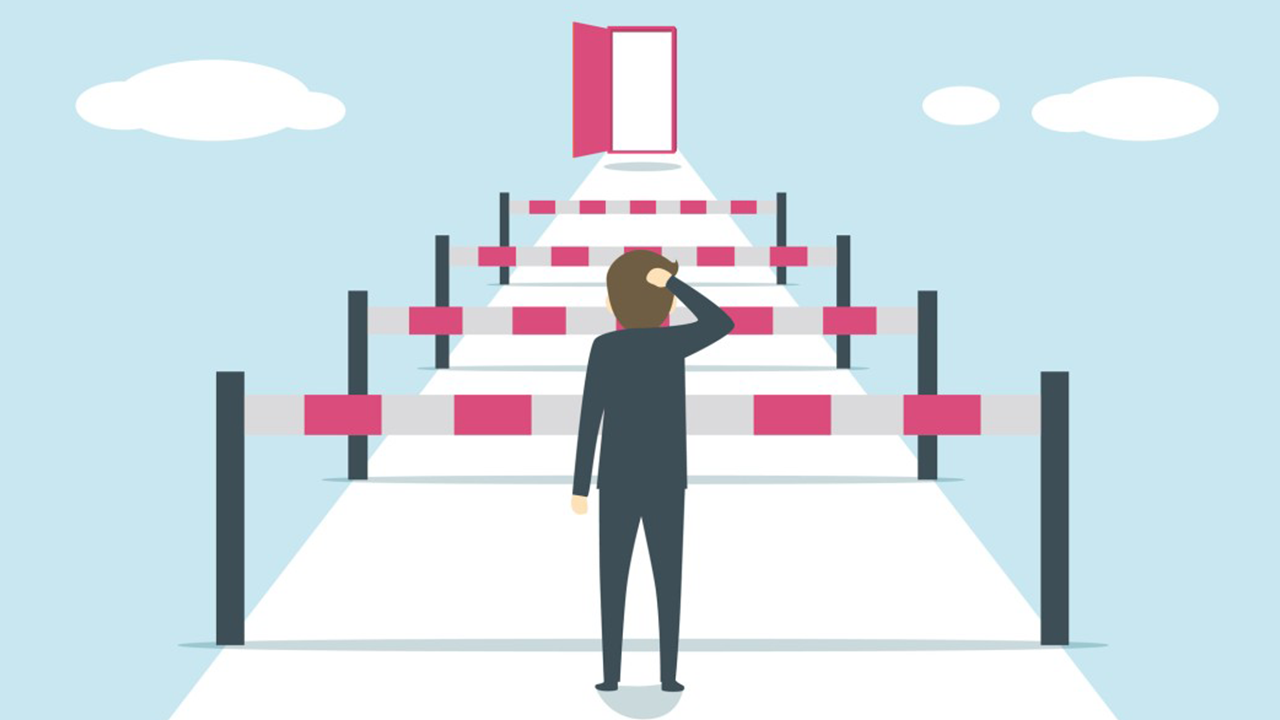
Most of us can relate to hearing the words “self-care” and feeling like it’s yet another item on our already long mental to-do list. Here are some common barriers and solutions:
Time:
When we have competing priorities it can be difficult to fit another “thing” into our already busy schedules, especially if we’re providing care to someone. The good news is self-care doesn’t need to take hours, carving out even 5 minutes to listen to music, talk to a friend, or take a quick walk adds a drop to your bucket. You may also consider scheduling self-care time like any other appointment or get creative about when you engage in self-care. If you’re spending time in a waiting room for an appointment, listen to an audiobook or podcast while you wait.
Guilt:
It’s a common misconception that self-care is selfish. In fact, we know that it is essential to our health and well-being. When we take care of ourselves, we can be a better partner, friend, or caregiver. Remember the airplane oxygen mask analogy (put your mask on first before helping someone else with theirs). You won’t be able to support others if you’re not taking care of your needs.
Motivation:
Forming a new habit takes time and motivation. If you’re already feeling overwhelmed with responsibilities, you might not have the motivation to incorporate self-care into your routine. Start by acknowledging your feelings and then consider some of our tips for getting started.
Tips for getting started
Start by naming your needs. Plan to check in with yourself a few times throughout the day and identify what you need. This will build self-awareness and help you tailor your self-care strategies to your specific needs. For example, if you’re feeling lonely considering a self-care strategy that involves connection, like grabbing coffee or tea with a friend.
For additional strategies to support your health and well-being, visit the National Council On Aging website.
