7 Strategies for Suicide Prevention

CDC’s seven strategies for reducing suicide rates

Suicide prevention is a shared responsibility. While September is recognized as Suicide Prevention Month, supporting mental health and looking out for one another is important year-round. Awareness and early intervention can help create safer, more supportive communities.

The CDC recommends strategies that focus not only on responding to a crisis, but also on reducing risk factors and strengthening the support systems that help people through difficult times.

Recognizing the Signs


Changes in behavior, increased isolation, hopelessness, significant mood changes, or talking about feeling like a burden may indicate that someone is struggling. These signs don’t always mean someone is considering suicide, but they can be an opportunity to check in.

A simple question like “How are you really doing?” can open the door to an important conversation. Listening without judgment can help someone feel heard and supported.

Building Connections

Strong relationships and a sense of belonging play an important role in suicide prevention. Creating environments where people feel comfortable discussing mental health and asking for help can reduce stigma and encourage connection.

Everyone has a role to play. Notice when someone may be struggling, start a conversation, listen, and help connect them with professional support when needed.

If you or someone you know is struggling, call or text 988 for free, confidential support 24/7.

Read more about prevention.

National Suicide Prevention Week
September 6 – 12 Warning Signs, How to Help, and Where to Turn
September 10 | World Suicide Prevention Day September | National Suicide Prevention Month What Is National Suicide Prevention Week?


National Suicide Prevention Week is observed the second full week of September. It sits inside National Suicide Prevention Month, which covers the entire month, and includes World Suicide Prevention Day on September 10. The week is used by clinicians, schools, workplaces, and families to talk openly about a subject that too often stays silent.

The purpose is not to alarm. It is to equip. When more people can recognize warning signs, ask direct questions, and connect a person in pain to help, more lives are saved.


Warning Signs to Watch For

Suicide is complex, and there is no single profile. Still, decades of research point to warning signs that are worth taking seriously, especially when several appear together or intensify over time:


  • Talking about wanting to die, being a burden, or having no reason to live
  • Expressing hopelessness or feeling trapped, with no way out
  • Withdrawing from family, friends, or activities that used to matter
  • Giving away possessions or putting affairs in order
  • Saying goodbye in ways that feel unusually final
  • A sudden sense of calm or resolve after a long period of distress
  • Increased use of alcohol or other substances
  • Sleep changes, appetite changes, agitation, or reckless behavior
  • Prior suicide attempts, which are among the strongest predictors of future risk
Warning signs do not always mean a person will act. They do mean the person is suffering and needs support. When in doubt, ask. Learn more about recognizing the warning signs and how you can help.

If You Are In Suicidal Crisis
How to find the right crisis support for your location.

If You Are in a Suicidal Crisis

If you are experiencing thoughts of suicide or self-harm, you are not alone, and support is available. Your feelings are important, and you deserve support, understanding, and help.

Get Immediate Help


If you are considering suicide or self-harm, or feel that you may be in immediate danger, contact your local emergency services right away to help ensure your safety.

Talk to Someone


Talking about how you are feeling can help reduce some of the distress you may be experiencing. Consider reaching out to someone you trust, such as a friend, family member, coworker, or another person you feel comfortable talking to.

You can also contact a crisis helpline and speak with trained volunteers who are there to listen and provide support. Depending on the service, help may be available by phone, text, email, or in person.

Consider Professional Support


Connecting with a mental health professional can provide ongoing support and guidance. They can help you understand what you are experiencing and work with you to develop strategies and treatment options for managing difficult thoughts and feelings.

Create a Safety Plan

Some people find it helpful to create a safety plan, a personalized tool designed to help navigate suicidal thoughts or urges. A safety plan can identify warning signs, coping strategies, people you can contact, and professional or emergency resources to use when you need additional support.

You don’t have to face difficult moments alone. Reaching out for help is an important step, and support is available.

Explore Local Help & Resources Available Here

The Door Switch™ wants to continue the fight for more awareness and provide additional resources to dispel the myths about mental health issues and solutions for safety issues. We also continue to strive to provide a product that keeps the hospital environment safe. We continue to be committed to better practices and procedures in the mental health community. For information concerning our safety product, please click here.

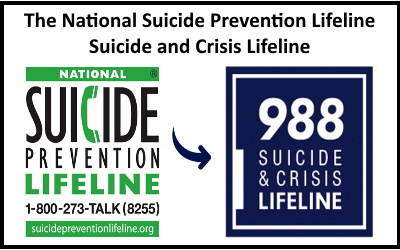
If you are in crisis or are experiencing difficult or suicidal thoughts, call the National Suicide Hotline at 1-800-273 TALK (8255).

Sincerely,

The Door Switch™

CONTACT DETAILS

CALL US
(877)-998-5625
OFFICE
11772 WESTLINE INDUSTRIAL DRIVE
ST. LOUIS, MO 63146
EMAIL US
INFO@THEDOORSWITCH.COM

SIGN-UP FOR OUR NEWSLETTER!