
January Is Mental Wellness Month
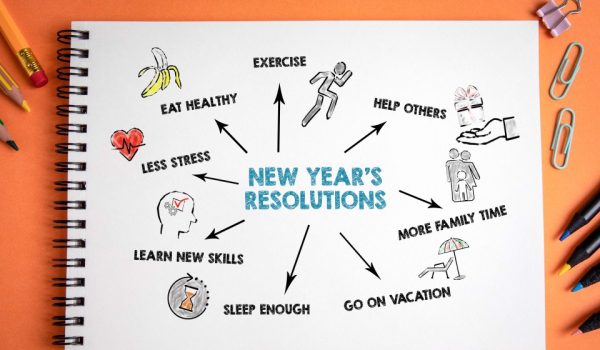
Reframing Success Through Well-Being, Not Just Resolutions
As January nears its end, many are already confronting a familiar dilemma: the New Year’s resolutions they set with initial enthusiasm are trailing behind them. Despite initial enthusiasm, most New Year’s resolutions quickly lose momentum. A Forbes Health/OnePoll survey found that the average resolution lasts just 3.74 months, and only 8% of people maintain their goals for even a single month.
This makes the late-January slump one of the most common setbacks in personal goal setting — so common, the second Friday of January has been dubbed as “Quitter’s Day.”
But what’s often dismissed as lack of willpower or ambition is rooted in deeper psychological processes that influence behavior change and emotional resilience.
Why Resolutions Falter: Beyond Willpower
Common wisdom often attributes resolution failure to surface-level factors—overly ambitious goals, poor planning, or fading motivation. While these play a role, they explain what goes wrong without addressing the deeper psychological why. Emerging research suggests that the brain’s resistance to change and the emotional context surrounding goal-setting play substantial roles.
Resolutions based on obligation—”I should do this”—tend to be fragile because they provoke internal resistance. Goals that align with personal values and meaningful life priorities, by contrast, have a greater chance of being sustained. But a deeper factor often overlooked is mental wellness. Emotional and cognitive health influences how one copes with setbacks, manages stress, and sustains effort — all essential for any lasting habit change.
The Psychological Component: Mental Health and Habit Formation
 Falling off track with New Year’s resolutions is driven by psychological factors such as stress, fatigue, self-criticism, and emotional overload. These challenges reduce cognitive flexibility, disrupt motivation, and weaken the neural pathways underlying habit formation.
That’s why January is recognized as Mental Wellness Month, a dedicated period for focusing on mental health awareness, emotional self-care, and resilience building at a focal point in the year. The start of a new year not only invites fresh goals but also brings unique challenges — from post-holiday stress and financial pressures to shorter daylight hours and social isolation — all of which can impact mood and motivation.
Supporting psychological well-being during this period is critical, as it provides the mental flexibility needed to maintain new habits; without it, even the best-intentioned plans are vulnerable to collapse.
Mental wellness is not just a “bonus” of a healthy lifestyle, but a mechanism that drives and sustains it. Higher well-being allows greater access to executive functions (adaptive cognition) like self-regulation, cognitive flexibility, and problem-solving—all of which are necessary to navigate the friction of building new habits.
A positive emotional state is also crucial in building personal resources—physical, intellectual, social, and psychological—that allow for habit sustenance.
Why Resolutions Falter: Beyond Willpower
Common wisdom often attributes resolution failure to surface-level factors—overly ambitious goals, poor planning, or fading motivation. While these play a role, they explain what goes wrong without addressing the deeper psychological why. Emerging research suggests that the brain’s resistance to change and the emotional context surrounding goal-setting play substantial roles.
Resolutions based on obligation—”I should do this”—tend to be fragile because they provoke internal resistance. Goals that align with personal values and meaningful life priorities, by contrast, have a greater chance of being sustained. But a deeper factor often overlooked is mental wellness. Emotional and cognitive health influences how one copes with setbacks, manages stress, and sustains effort — all essential for any lasting habit change.
The Psychological Component: Mental Health and Habit Formation
Falling off track with New Year’s resolutions is driven by psychological factors such as stress, fatigue, self-criticism, and emotional overload. These challenges reduce cognitive flexibility, disrupt motivation, and weaken the neural pathways underlying habit formation. That’s why January is recognized as Mental Wellness Month, a dedicated period for focusing on mental health awareness, emotional self-care, and resilience building at a focal point in the year. The start of a new year not only invites fresh goals but also brings unique challenges — from post-holiday stress and financial pressures to shorter daylight hours and social isolation — all of which can impact mood and motivation.
Supporting psychological well-being during this period is critical, as it provides the mental flexibility needed to maintain new habits; without it, even the best-intentioned plans are vulnerable to collapse.
Mental wellness is not just a “bonus” of a healthy lifestyle, but a mechanism that drives and sustains it. Higher well-being allows greater access to executive functions (adaptive cognition) like self-regulation, cognitive flexibility, and problem-solving—all of which are necessary to navigate the friction of building new habits.
A positive emotional state is also crucial in building personal resources—physical, intellectual, social, and psychological—that allow for habit sustenance.
Prioritizing Mental Wellness
Foundational health behaviors are necessary in supporting both physical and psychological well-being. While no single habit determines overall health, consistent attention to the basics creates the conditions necessary for resilience, recovery, and long-term functioning. Key pillars include: Balanced Nutrition
- Sustainable dietary changes provide a stable nutritional foundation, supporting metabolic and cognitive health.
Routine Medical Care
- Regular visits and preventive screenings identify potential issues early, while timely care for illness or injury promotes faster recovery and reduces long-term complications.
Adequate Sleep Quality
- Adequate, consistent sleep allows the body and brain to restore, regulate, and perform essential physiological and cognitive functions.
Positive Stress Management
- Chronic stress exerts cumulative effects on both mental and physical health; implementing practical stress-management strategies preserves emotional regulation and overall well-being.
Stop asking “How are my habits?”
Start asking “How is my mental health?”
 We often treat resolutions like a test of character, assuming that if we fail, we simply didn’t want it enough. But the reality is much less about “grit” and much more about the invisible load we are carrying. When you are burnt out, sleep-deprived, or socially isolated, your brain is in survival mode—not growth mode.
This year, try stopping the cycle of setting a goal, hitting a wall, and blaming your willpower. Instead, look at your foundation. Are you eating to fuel your brain? Are you giving yourself permission to rest?
When we prioritize mental wellness, we aren’t just “feeling better”—we are finally building the capacity to actually show up for the changes we want to make.
| Learn More About Mental Wellness Month |
WHAT IS A SENTINAL EVENT?
 The Joint Commission defines sentinel events as occurrences to patients in medical facilities “…involving death or serious physical or psychological injury, or the risk thereof.” As you will note from the pie chart above, patient suicides are a comparatively frequent sentinel event identified by The Joint Commission. The Door SwitchTM was developed to mitigate the most common method of suicide employed in medical facilities—hanging using a door as a ligature point.
Please visit The Joint Commission for more information on sentinel events.
If you are in crisis or are experiencing difficult or suicidal thoughts, call the National Suicide Hotline at 1-800-273 TALK (8255).
Sincerely,The Door Switch™
