
March Is Self-Harm Awareness Month
Understanding Causes Leading to Self-Harm
As Mental Health Awareness continues through the year, March offers an important moment to pause on one of the most misunderstood topics in psychological well-being: self-harm.
Self-harm is the deliberate, direct destruction of one’s own body (e.g., cutting, burning, hitting) without suicidal intent. For many individuals, emotional pain can reach a threshold where it feels unmanageable or impossible to express. Self-harm becomes a way to externalize that internal experience — to create a physical outlet for something that feels otherwise invisible. In many cases, self-harm occurs over the span of years before it is ever disclosed to another person.
Self-harm does not follow a single profile—commonly affecting adolescents navigating identity and pressure, adults managing chronic stress or trauma, and older individuals carrying unprocessed emotional experience or experiencing PTSD. It appears across gender, background, and age.
Research suggests that approximately 17% of adolescents report engaging in self-harm at some point, but the behavior is also documented across adult populations in significant numbers. Individuals with histories of trauma and those experiencing social isolation carry elevated risk.
Veterans also face a significantly higher likelihood of engaging in self-harm (between 16% and 22% at some point; approximately 8% annually). Key drivers include mental health conditions (PTSD, depression), substance use, chronic pain, isolation, and challenges transitioning to civilian life. The prevalence of self-harm often acts as a high-risk indicator for future suicidal behavior.
The Psychology Behind Self-harm
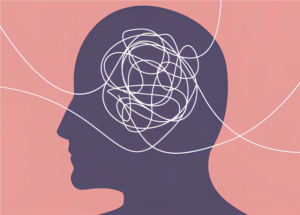 When stress, trauma, or emotional overload exceeds a person’s capacity to cope, the brain seeks relief through any available channel. For some, self-harm activates the body’s pain response in a way that temporarily interrupts the cycle of emotional distress — providing a brief, biochemical sense of relief or control.
This is not weakness. It is a coping mechanism that developed, often early in life, in the absence of proper coping tools. The behavior persists not because a person wants to suffer, but because it has worked — in the narrowest sense — to provide temporary relief when nothing else felt available.
Shame, secrecy, and the fear of being misunderstood often prevent people from seeking help. And when those who care about them react with panic or judgment, it can deepen the very isolation that made self-harm feel necessary in the first place.
Asking the Challenging Questions
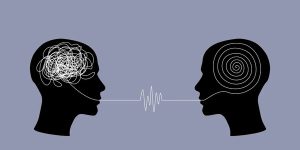 March is a quiet month in many ways — a threshold between the heaviness of winter and the renewal of spring. That in-between quality is what makes it the right time to ask others how they are if anything appears off. Awareness does not require expertise, but rather a willingness to stay present when a conversation becomes uncomfortable.
Asking directly — “I’ve noticed you seem like you’re carrying something heavy lately. Are you okay?” — is not planting an idea. It is opening a door. Research consistently shows that feeling seen and heard is one of the most significant protective factors against self-destructive behavior. Connection, not correction, is often what shifts things.
WHAT IS A SENTINAL EVENT?
 The Joint Commission defines sentinel events as occurrences to patients in medical facilities “…involving death or serious physical or psychological injury, or the risk thereof.” As you will note from the pie chart above, patient suicides are a comparatively frequent sentinel event identified by The Joint Commission. The Door SwitchTM was developed to mitigate the most common method of suicide employed in medical facilities—hanging using a door as a ligature point.
Please visit The Joint Commission for more information on sentinel events.
If you are in crisis or are experiencing difficult or suicidal thoughts, call the National Suicide Hotline at 1-800-273 TALK (8255).
Sincerely,The Door Switch™
